

Phimosis and Sexual Health: Symptoms, Impact & Modern Circumcision Benefits
A urologist's guide to phimosis, how a tight foreskin affects intimacy and quality of life, and how laser / ZSR-stapler circumcision restores comfort — safely and painlessly.
Dr. Ankit Verma
Senior Consultant, General & Laser Surgery
Phimosis — a tight foreskin that cannot be pulled back over the head of the penis — is one of the most under-discussed men's health issues in India. It is medically common, easily treatable, and yet most men wait years before speaking to a doctor because the symptoms overlap with intimacy, hygiene and fertility concerns they'd rather not raise. This guide covers what phimosis is, how it affects sexual health, and why modern laser and ZSR-stapler circumcision have made treatment a walk-in, walk-out day-care procedure.
What is phimosis?
Phimosis is the medical term for a foreskin that is too tight to retract fully. It can be:
- Physiological — present from birth and usually resolves by the teenage years.
- Pathological — develops later in life due to recurrent infection, scarring (BXO / lichen sclerosus), poor hygiene or forceful retraction.
If the foreskin can be retracted but then gets stuck behind the glans and cannot be pulled forward again, that is called paraphimosis — a urological emergency that needs immediate care.
How phimosis affects sexual health
Because the foreskin is directly involved in erection, sensation and hygiene, a tight foreskin quietly affects almost every aspect of a man's intimate life:
- Painful erections — the foreskin cannot stretch during erection, causing tightness, tearing or burning.
- Painful intercourse (dyspareunia) — friction on a non-retracting foreskin leads to micro-tears, bleeding and discomfort during and after sex.
- Reduced sensation — a permanently covered glans becomes hypersensitive at first and desensitised over time, affecting pleasure for both partners.
- Recurrent balanitis and UTIs — trapped moisture and smegma cause repeat inflammation, odour and infections that make intimacy uncomfortable.
- Performance anxiety — chronic pain and appearance concerns often lead to reduced confidence, avoidance and relationship stress.
- Fertility and hygiene — while phimosis rarely causes infertility directly, repeated infections can affect sperm quality and increase transmission of HPV and other STIs.
If any of these sound familiar, phimosis is very likely the reason — and it is almost always fully reversible with a short surgical procedure.
Symptoms that mean it's time to see a doctor
- Tight, non-retractable foreskin
- Pain, burning or bleeding during erection or sex
- White scarring or a rigid ring at the tip of the foreskin
- Ballooning of the foreskin during urination
- Repeated balanitis, itching, discharge or foul odour
- Recurrent urinary tract infections
- Difficulty maintaining hygiene despite regular cleaning
Why circumcision is the definitive fix
Steroid creams and stretching exercises can help mild, early phimosis, but they do not work for scarred (pathological) phimosis and they don't remove the underlying tissue. Circumcision — surgical removal of the tight foreskin — is the only permanent cure and is one of the safest, most-studied procedures in surgery.
Documented benefits of modern circumcision include:
- Complete relief from phimosis, paraphimosis and recurrent balanitis
- Longer, more comfortable intercourse — many men report improved control and reduced premature ejaculation after healing
- Better hygiene and dramatically lower risk of UTIs, HPV, HIV and penile cancer
- Reduced risk of cervical cancer and HPV transmission to female partners
- Clean, uniform cosmetic appearance and boosted confidence
Modern circumcision techniques at Healic
You no longer need stitches, long hospital stays or weeks off work. At Healic we offer three modern, stitch-free options — the surgeon picks the right one for your anatomy and skin type:
- ZSR-stapler circumcision — a single-use disposable stapler removes the foreskin and seals the edge in one step. No sutures, minimal bleeding, and a clean cosmetic ring. Ideal for most adults.
- Laser circumcision — a precision laser removes the foreskin with almost no bleeding and faster healing. Excellent for patients with diabetes, BXO scarring or sensitive skin.
- Conventional dorsal-slit circumcision — reserved for complex cases where stapler or laser is not suitable.
All three are performed under short local or spinal anaesthesia in a single day-care visit.
What recovery really looks like
- Day of surgery — 30–45 minutes in the operation theatre, 2–3 hours in observation, then home.
- Day 1–2 — mild swelling and dressing changes, managed with oral painkillers and antibiotics.
- Day 3–5 — back to desk work and light routine.
- Week 2 — driving, walking and gym allowed.
- Week 4–6 — full healing; sexual activity resumes with your surgeon's clearance.
Most patients tell us the anticipation was worse than the procedure — the actual downtime is a long weekend.
Frequently asked questions
Does circumcision affect sexual pleasure? Long-term studies show sexual satisfaction, erectile function and orgasm are unchanged or improved after adult circumcision. Many patients report better control and longer intercourse once the pain of phimosis is gone.
Is it painful? The procedure itself is done under anaesthesia — you feel nothing. Post-operative discomfort is mild and easily managed with tablets for 2–3 days.
How long before I can have sex again? Typically 4–6 weeks, once your surgeon confirms complete healing.
Is it covered by insurance? Yes, when performed for medical reasons (phimosis, recurrent balanitis, BXO) most Indian insurers cover circumcision as day-care surgery. Healic is empanelled with 50+ insurance partners.
Is it confidential? Absolutely. Consultations are private, records are protected, and the entire day-care visit is designed for discretion.
When to book a consultation
If a tight foreskin is causing pain, repeated infections, or holding back your confidence and intimacy, don't wait years the way most men do. A 15-minute consultation with a Healic urologist or general surgeon will confirm the diagnosis, walk you through the right technique (ZSR, laser or conventional), and give you a fixed-price package with cashless insurance support.
Modern circumcision is safe, stitch-free, back to work in 48 hours — and life-changing for phimosis-related sexual health issues.
Continue reading

General Surgery
Varicose Veins: 6 Signs You Shouldn't Ignore
Tired, achy legs at the end of the day? It might be more than fatigue. Here's when to get an evaluation.
General Surgery
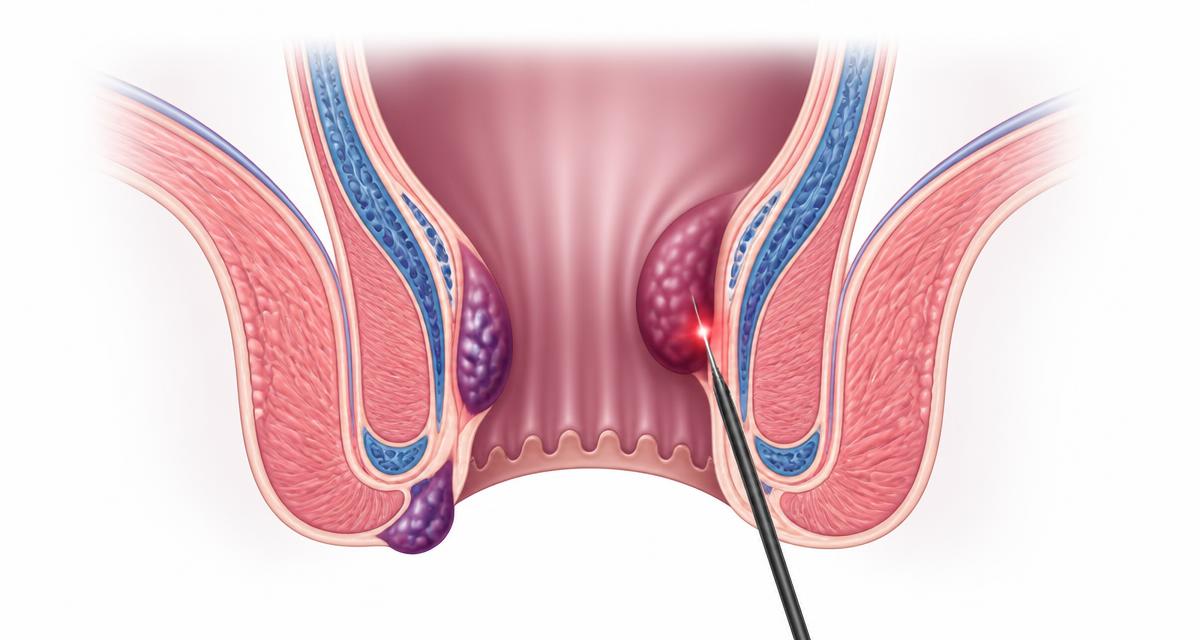
Laser Piles Surgery: What to Expect Before, During & After
A simple, painless solution for haemorrhoids — here's a complete walkthrough of laser hemorrhoidoplasty at Healic.
Urology
Kidney Stones: Why They Form & How Modern Surgery Removes Them Painlessly
From hydration habits to PCNL — a urologist's guide to preventing and treating kidney stones in 2026.