
Kidney Stones: Why They Form & How Modern Surgery Removes Them Painlessly
From hydration habits to PCNL — a urologist's guide to preventing and treating kidney stones in 2026.
Dr. Rohit Kapoor
Consultant Urologist
Kidney stones are crystallised deposits that form when urine becomes concentrated. Pain in the lower back or side that comes in waves is the classic sign.
Common causes
- Low daily water intake
- High-salt, high-protein diet
- Family history
- Recurrent UTIs
When surgery is needed
Stones under 5 mm usually pass with hydration. Stones above 8–10 mm typically need intervention — URS (ureteroscopy), RIRS, or PCNL for larger stones.
How PCNL works
A keyhole tract is made into the kidney; the stone is fragmented and removed in a single sitting. Hospital stay is 1–2 days and recovery is quick.
Prevention is just as important as treatment: drink 2.5–3 L of water daily, limit salt, and get an annual urine check if you've had a stone before.
Continue reading

General Surgery
Phimosis and Sexual Health: Symptoms, Impact & Modern Circumcision Benefits
A urologist's guide to phimosis, how a tight foreskin affects intimacy and quality of life, and how laser / ZSR-stapler circumcision restores comfort — safely and painlessly.
General Surgery
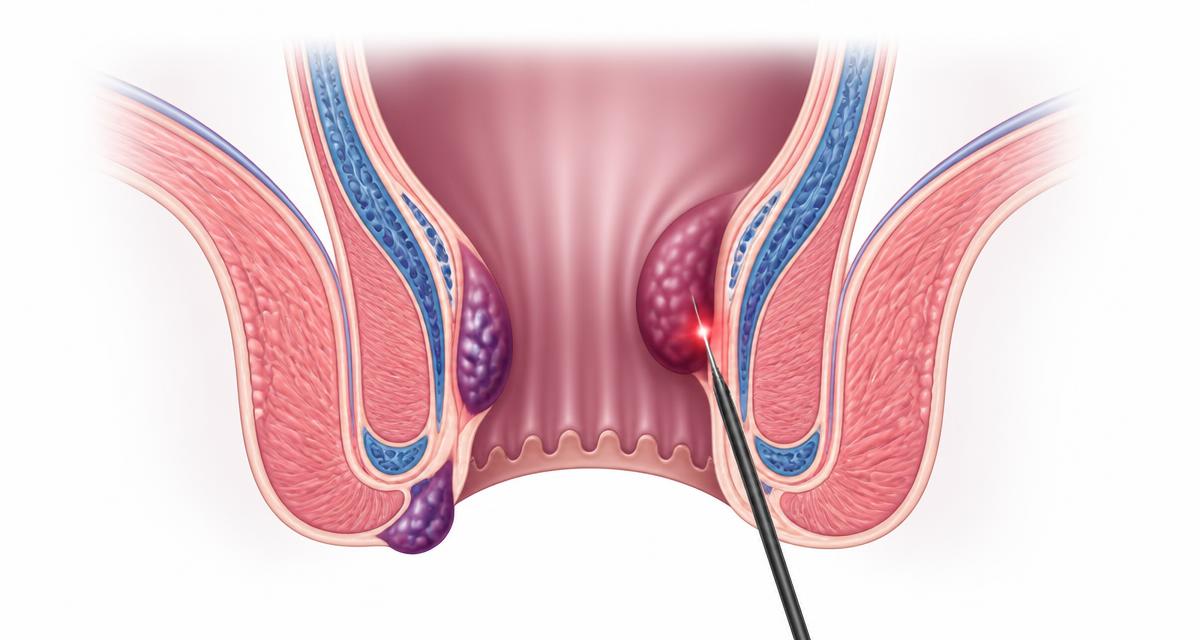
Laser Piles Surgery: What to Expect Before, During & After
A simple, painless solution for haemorrhoids — here's a complete walkthrough of laser hemorrhoidoplasty at Healic.

Gynaecology
Planning a Safe Childbirth: A Mother's Checklist
From your first scan to delivery day — a step-by-step guide to a calm, well-supported pregnancy.