
Anal Fistula
Laser and minimally invasive surgery for anal fistula with low recurrence and sphincter preservation.
5,000+
Successful Procedures
Average 4.8
Patient Rating
85+ NPS
Happy Patients
Insurance
All Accepted
Get expert care for Anal Fistula
Connect with your health counsellor today!
Surgery If You Truly Need It. No Fazool Tests
Surgeons Who Listen. Nurses Who Care. Always By Your Side
Fixed Price. Confirmed on Admission. In Writing
Admission, Discharge, Follow-up - All Planned




About Anal Fistula
(General surgery)
An anal fistula is a small tunnel that forms between the inside of the anal canal and the skin around the anus, usually after an anal gland infection or abscess. It causes persistent discharge, pain, swelling and recurrent abscesses. Healic offers modern, sphincter-saving options like Laser Fistula Treatment (FiLaC), VAAFT, fistulectomy, fistulotomy and seton placement — chosen based on the fistula tract, depth and relation to the sphincter muscle — to achieve high cure rates with minimal risk to continence.
Patients commonly visit for pain and swelling around the anal area, persistent discharge of pus or blood from an opening near the anus, skin irritation or itching near the anus. Our general surgery team checks causes such as infected anal glands, untreated or recurrent anal abscess, inflammatory bowel disease (crohn's, ulcerative colitis) and explains suitable options including submucosal fistula, intersphincteric fistula, transsphincteric fistula, suprasphincteric fistula, extrasphincteric fistula with transparent pricing and follow-up support.
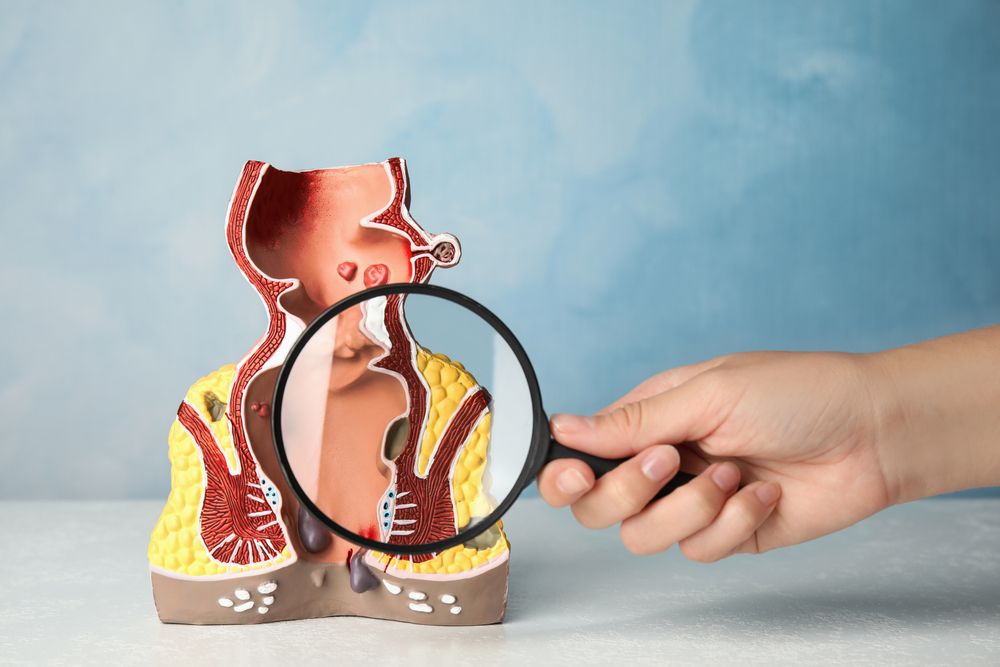
Know the Symptoms
- 1
Pain and swelling around the anal area
- 2
Persistent discharge of pus or blood from an opening near the anus
- 3
Skin irritation or itching near the anus
- 4
Recurrent abscess formation
- 5
Foul-smelling discharge from the tract
- 6
Fever or malaise if infection is present
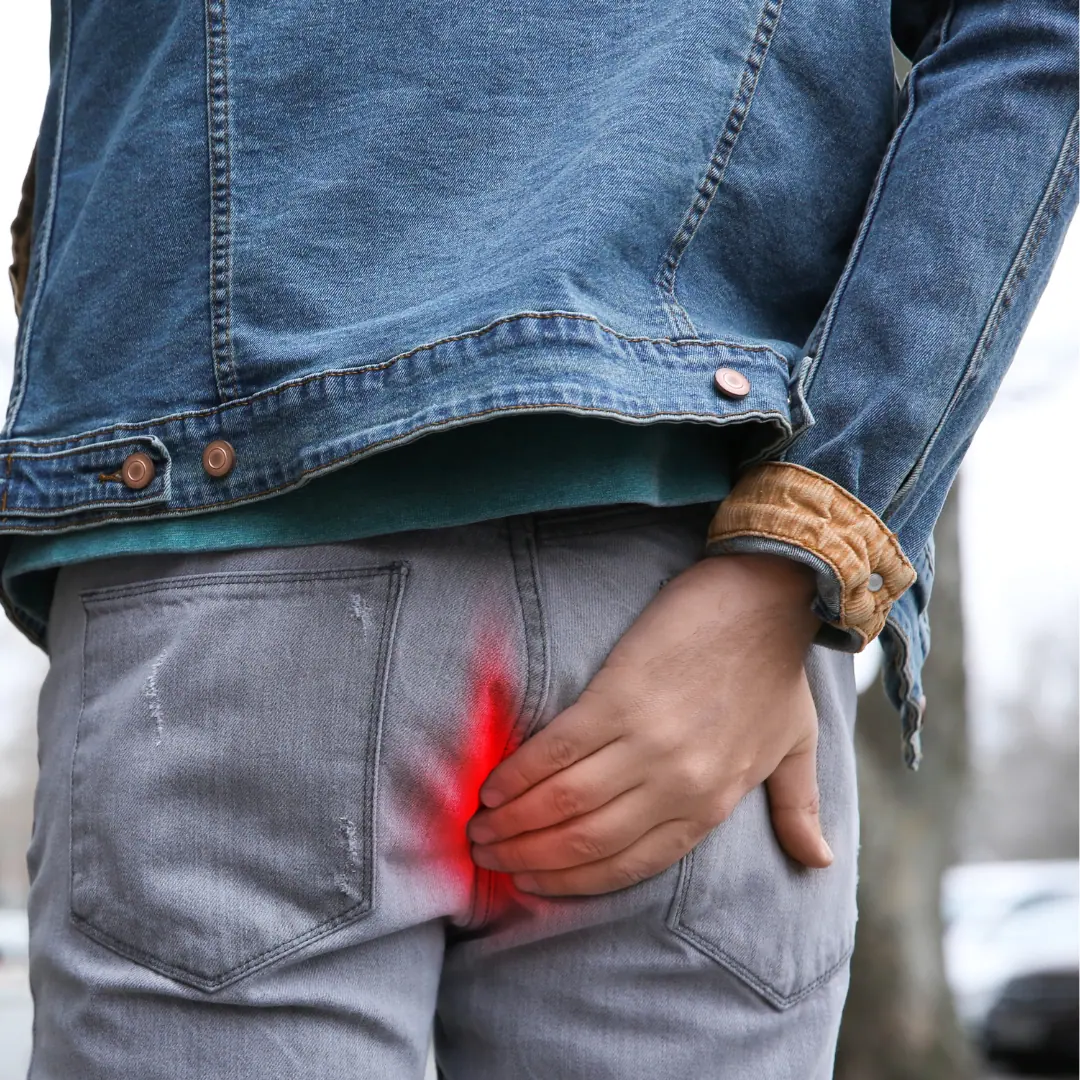
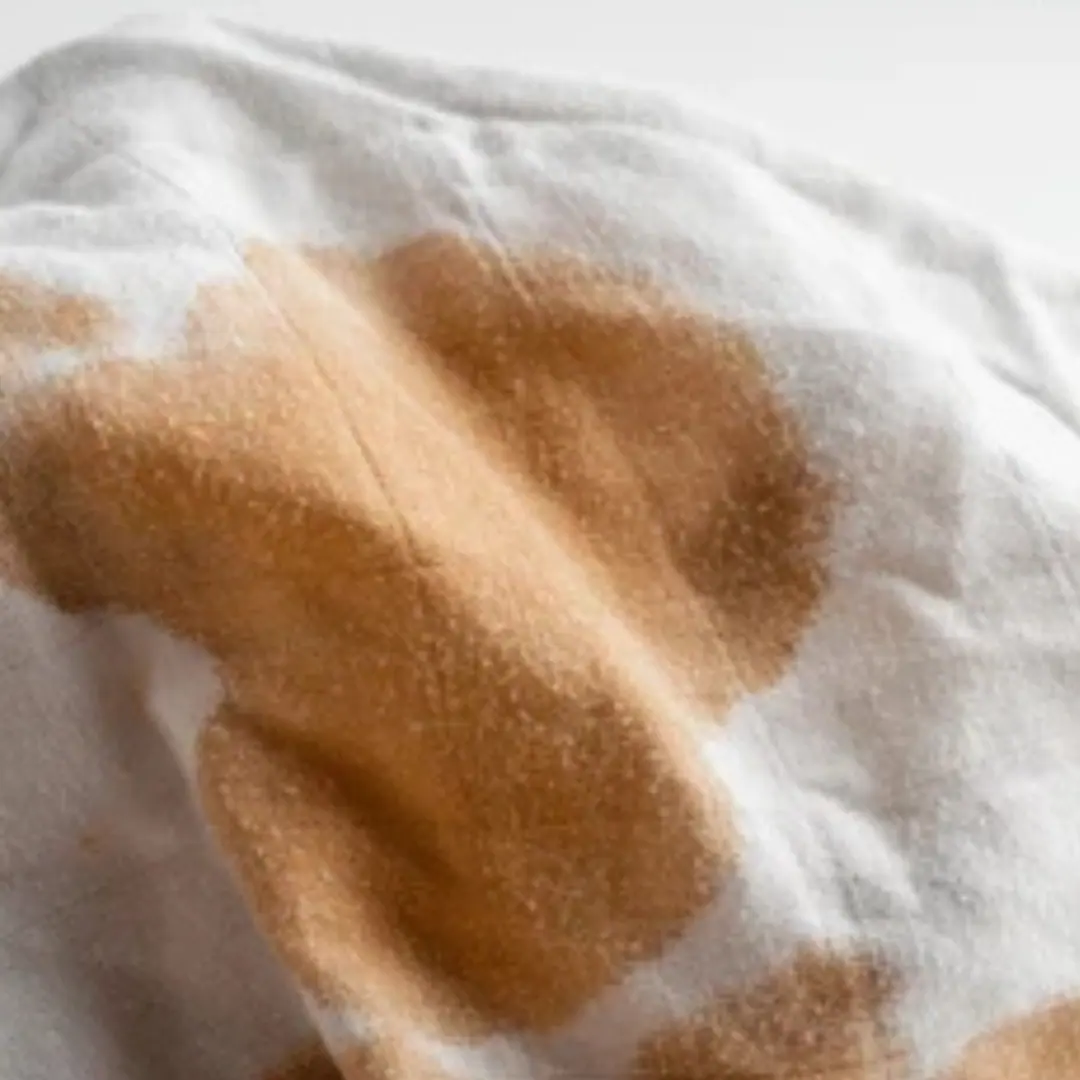

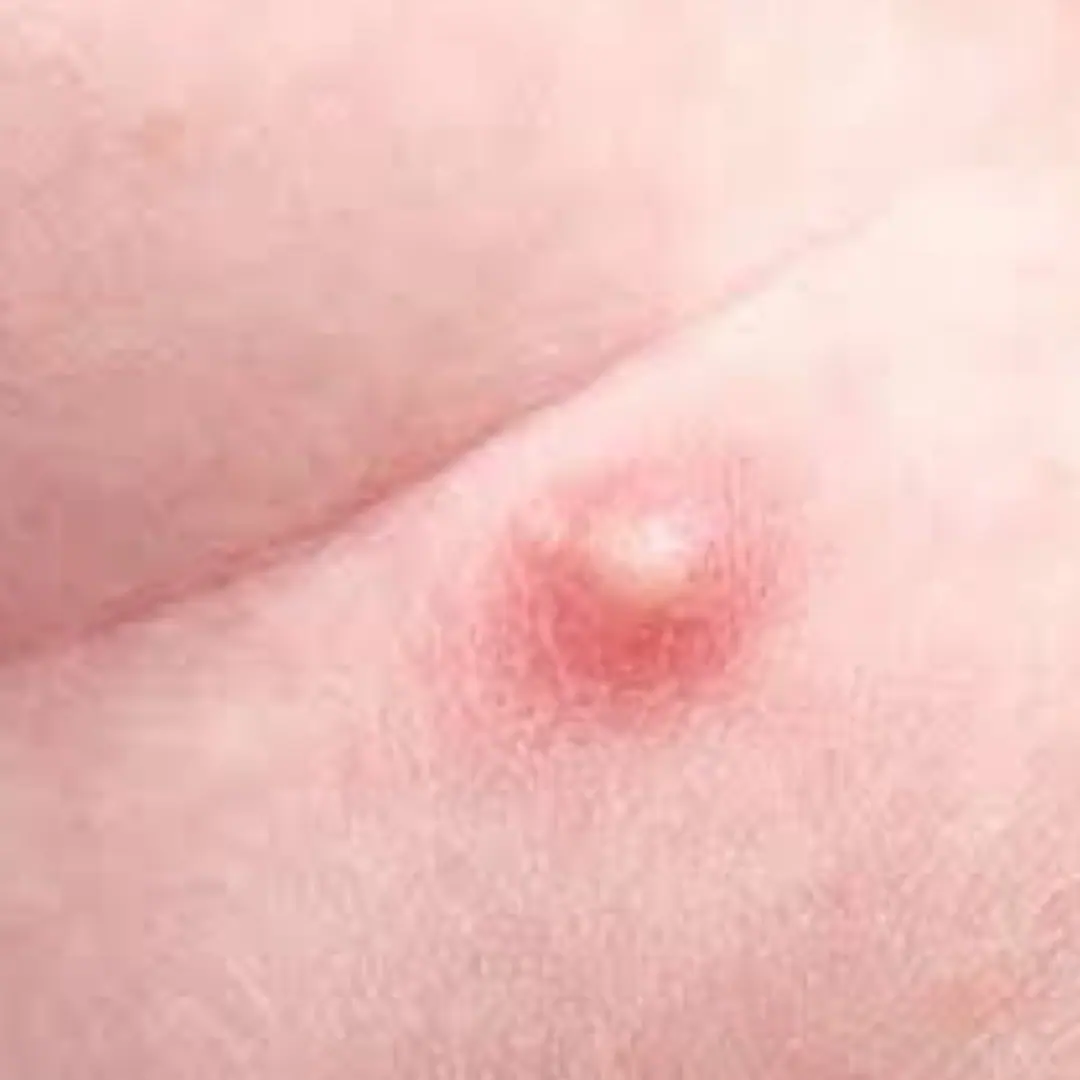


Anal Fistula Causes
Infected anal glands
Untreated or recurrent anal abscess
Inflammatory bowel disease (Crohn's, ulcerative colitis)
Tuberculosis of the anorectal region
Trauma or surgery in the anorectal region
Radiation therapy (rare)
Cancer (rare)







Types of Anal Fistula
Understanding the type helps our specialists choose the safest, most effective treatment for your condition.
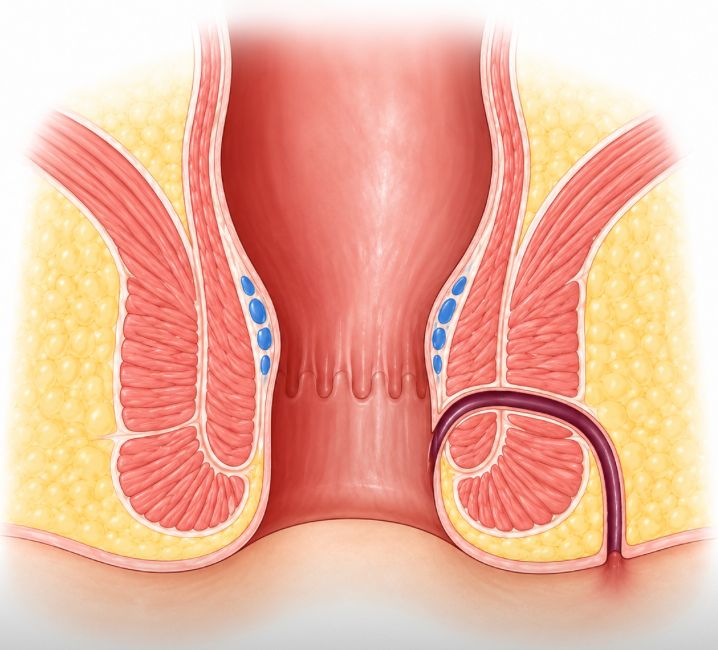
Submucosal Fistula
A superficial fistula that runs just below the lining without involving the sphincter — the simplest type, cured easily with laser or fistulotomy.
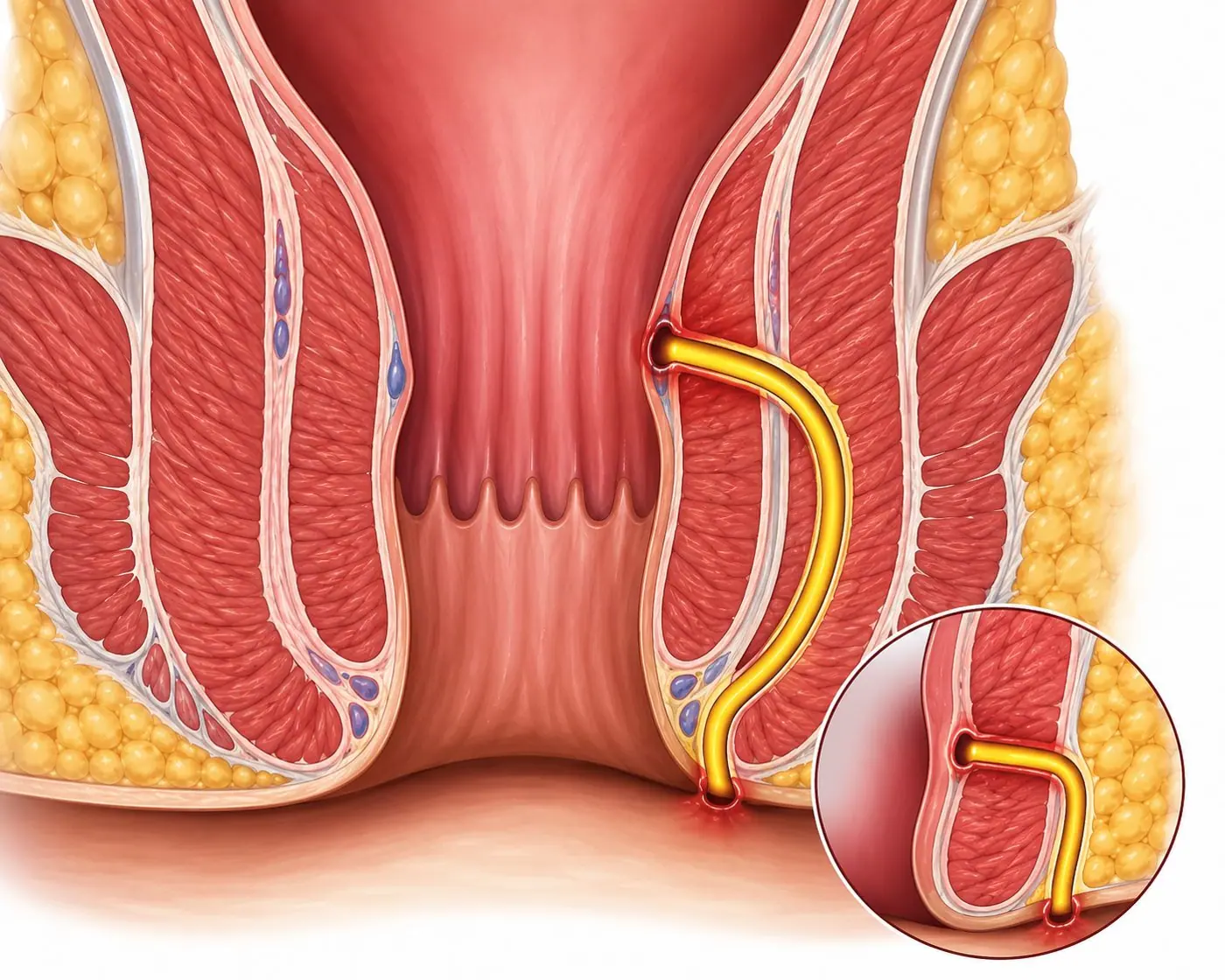
Intersphincteric Fistula
Runs between the internal and external sphincters. Best treated with sphincter-saving options like Laser (FiLaC) or VAAFT for low recurrence and no continence risk.
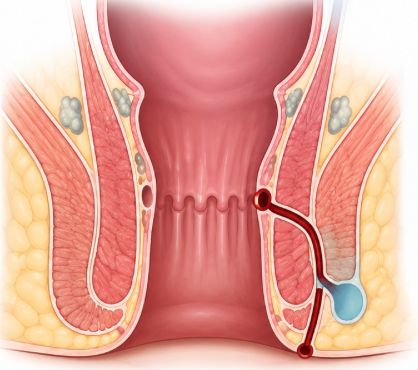
Transsphincteric Fistula
Crosses through both sphincter muscles. Needs careful sphincter-preserving techniques like LIFT, VAAFT or laser, sometimes with a seton, to balance cure and continence.

Suprasphincteric Fistula
Runs above the puborectalis muscle — a complex high fistula. Usually managed with seton placement followed by definitive sphincter-preserving repair.
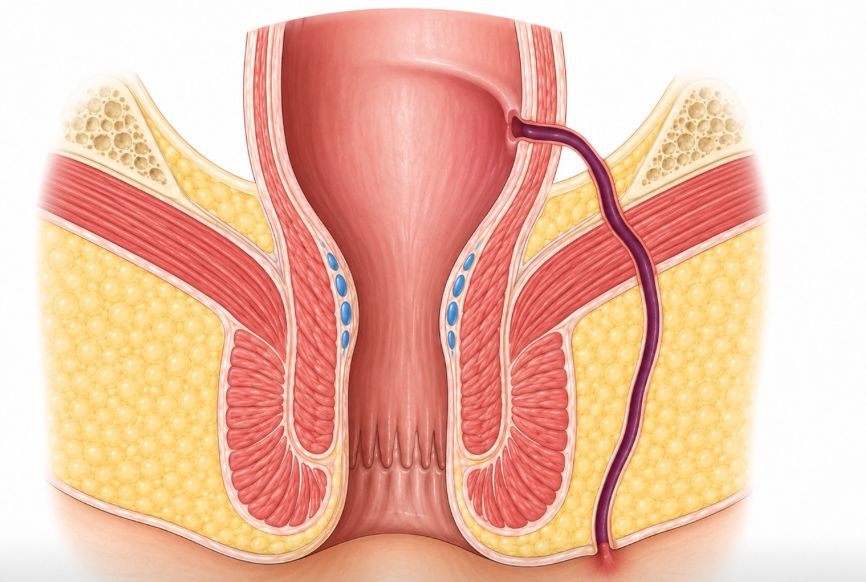
Extrasphincteric Fistula
An uncommon, very high fistula opening above the pelvic floor, often associated with Crohn's, trauma or pelvic disease. Needs MRI mapping and a planned, often staged, surgical approach.
Surgical Methods at Healic
Different patients need different approaches. Our surgeons choose the right method for your condition, age and recovery goals.
Laser Fistula Treatment (FiLaC)
A radial laser fibre ablates the fistula tract from inside — sphincter-saving, minimal pain and very small external wound.
VAAFT
Video-Assisted Anal Fistula Treatment uses a tiny fistuloscope to visualise and close the internal opening for complex tracts.
Fistulotomy
Lay-open of simple, low fistulas for a definitive cure when sphincter involvement is minimal.
Seton Placement
A soft thread is passed through the tract to drain infection and protect the sphincter in high or complex fistulas.
LIFT Procedure
Ligation of the inter-sphincteric fistula tract — a sphincter-preserving option for trans-sphincteric fistulas.
Why Choose Healic for
Anal Fistula
(General surgery)
- 1
Proper Counselling
- 2
Fixed Price Explanation
- 3
Safe Treatment
- 4
Structured Monitoring
- 5
Time-Bound Discharge





500+
Procedures Every Month
Average 4.8
Google Rating
85+
NPS Score
Key benefits at Healic
- Sphincter-saving laser and VAAFT options
- Day-care surgery with same-day discharge
- Very low recurrence with proper tract closure
- Minimal pain and small or no external wound
- Suitable for simple and complex fistulas
- Quick return to routine activity
What Our Patients say
"Very transparent pricing and caring staff. Highly recommend Healic for anal fistula."
PMPriya M.
Verified patient
"Got my anal fistula done at Healic. The team was super supportive and recovery was much faster than I expected."
RSRahul S.
Verified patient
"Doctors explained everything patiently. The procedure went smoothly and I was discharged on time."
AKAnil K.
Verified patient
"Excellent experience from consultation to discharge. The fixed-price package gave me complete peace of mind."
SRSunita R.
Verified patient
Doctors for Anal Fistula
(General surgery)
- RS
- JD
- AK
Find Answers to
Your Questions
We are happy to answer every question you have.

1.Will an anal fistula heal without surgery?
Anal fistulas rarely heal on their own because the tract keeps re-infecting. Definitive surgery — preferably a sphincter-saving option like laser or VAAFT — is needed for a permanent cure.
2.Will fistula surgery affect bowel control?
Modern sphincter-saving techniques such as laser (FiLaC) and VAAFT are designed to preserve the anal sphincter, so the risk to continence is very low when performed by experienced surgeons.
3.Can an anal fistula come back after surgery?
Recurrence is possible if the entire tract or the internal opening is not addressed. Healic surgeons map the tract carefully and choose the right technique to keep recurrence rates low.