Wound Debridement
Surgical wound debridement for infected, diabetic, traumatic and non-healing wounds.
5,000+
Successful Procedures
Average 4.8
Patient Rating
85+ NPS
Happy Patients
Insurance
All Accepted
Get expert care for Wound Debridement
Connect with your health counsellor today!
Surgery If You Truly Need It. No Fazool Tests
Surgeons Who Listen. Nurses Who Care. Always By Your Side
Fixed Price. Confirmed on Admission. In Writing
Admission, Discharge, Follow-up - All Planned




About Wound Debridement
(Orthopaedics)
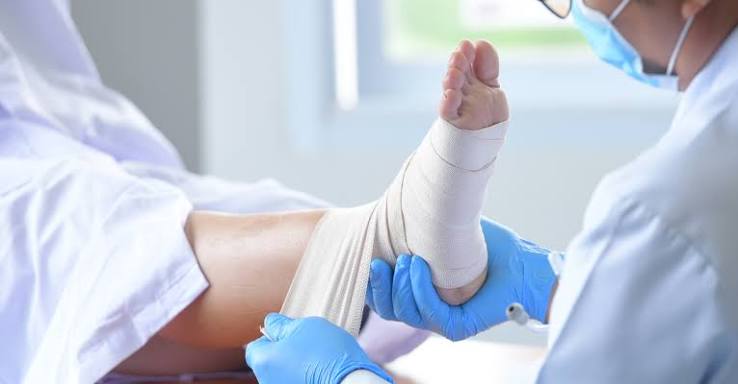
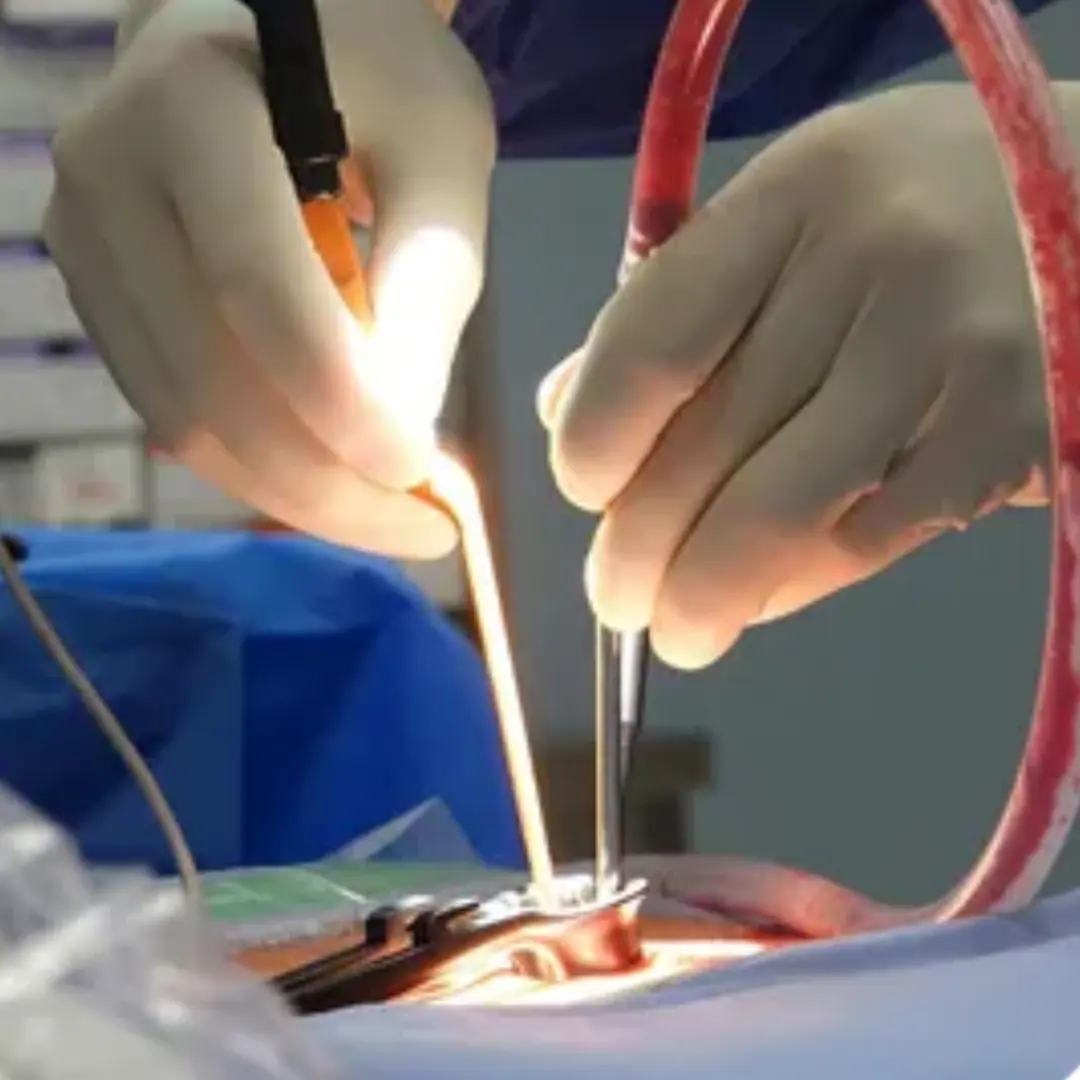
Wound debridement removes dead, infected or unhealthy tissue so a wound can heal and infection can be controlled. Healic manages diabetic foot wounds, traumatic wounds, abscesses, pressure sores and infected surgical wounds with culture-guided antibiotics, dressings and reconstruction planning when needed.
Patients commonly visit for infected wounds with pus, foul odor, or discharge, presence of necrotic (dead) tissue, delayed healing due to poor blood supply. Our orthopaedics team checks causes such as traumatic injuries, pressure sores, poor circulation and explains suitable options including surgical/sharp debridement, mechanical debridement, enzymatic debridement, biological debridement (maggot therapy), autolytic debridement with transparent pricing and follow-up support.
Know the Symptoms
- 1
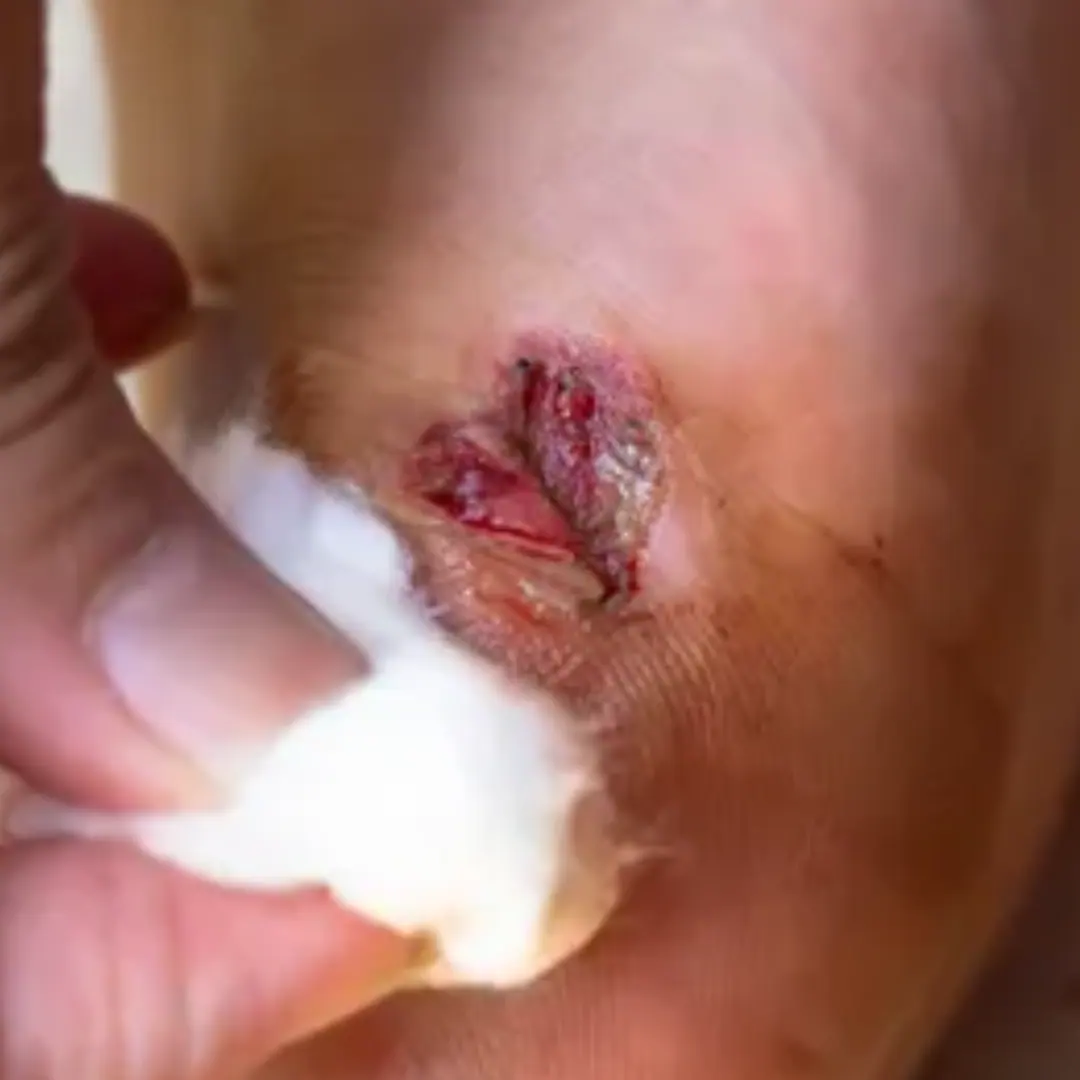
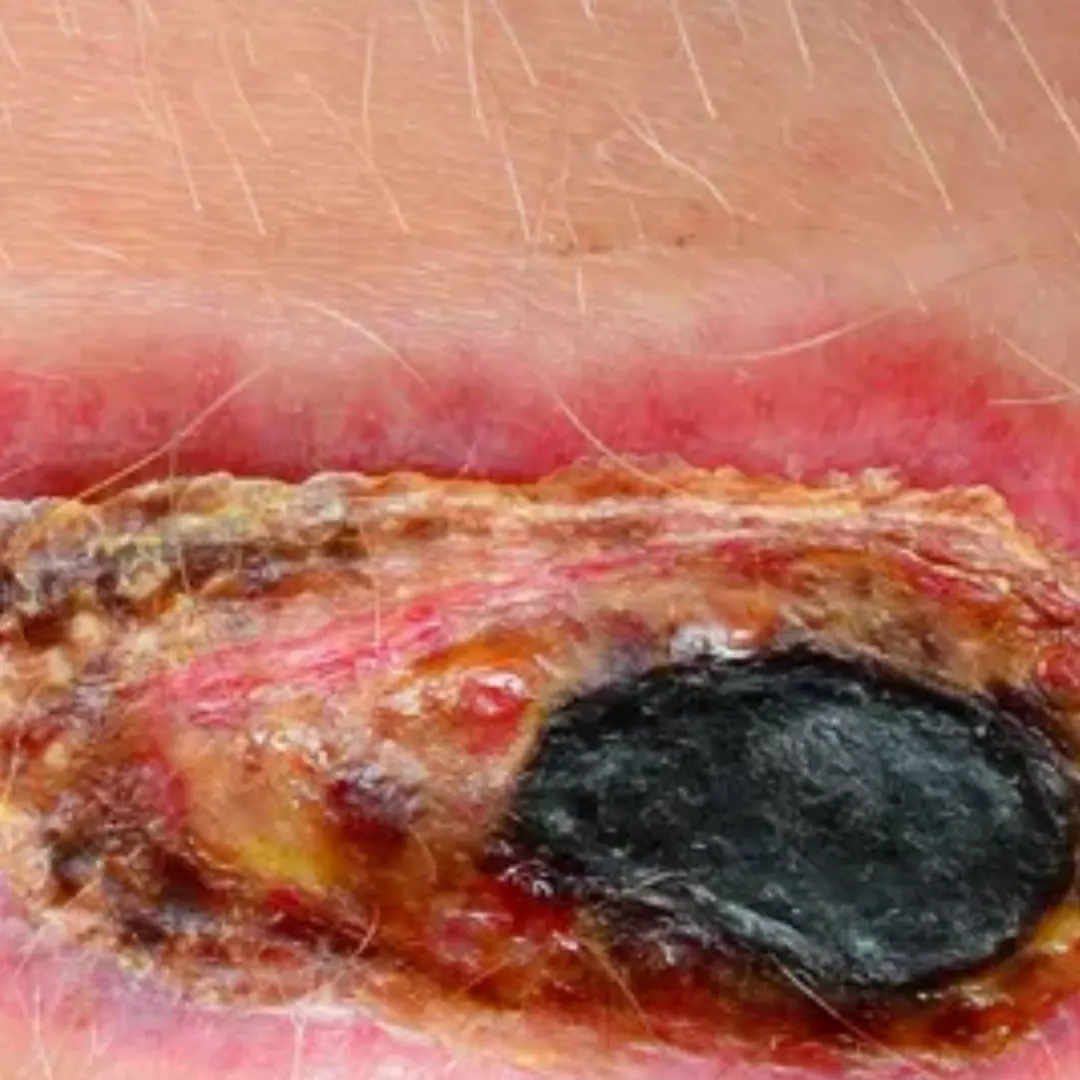
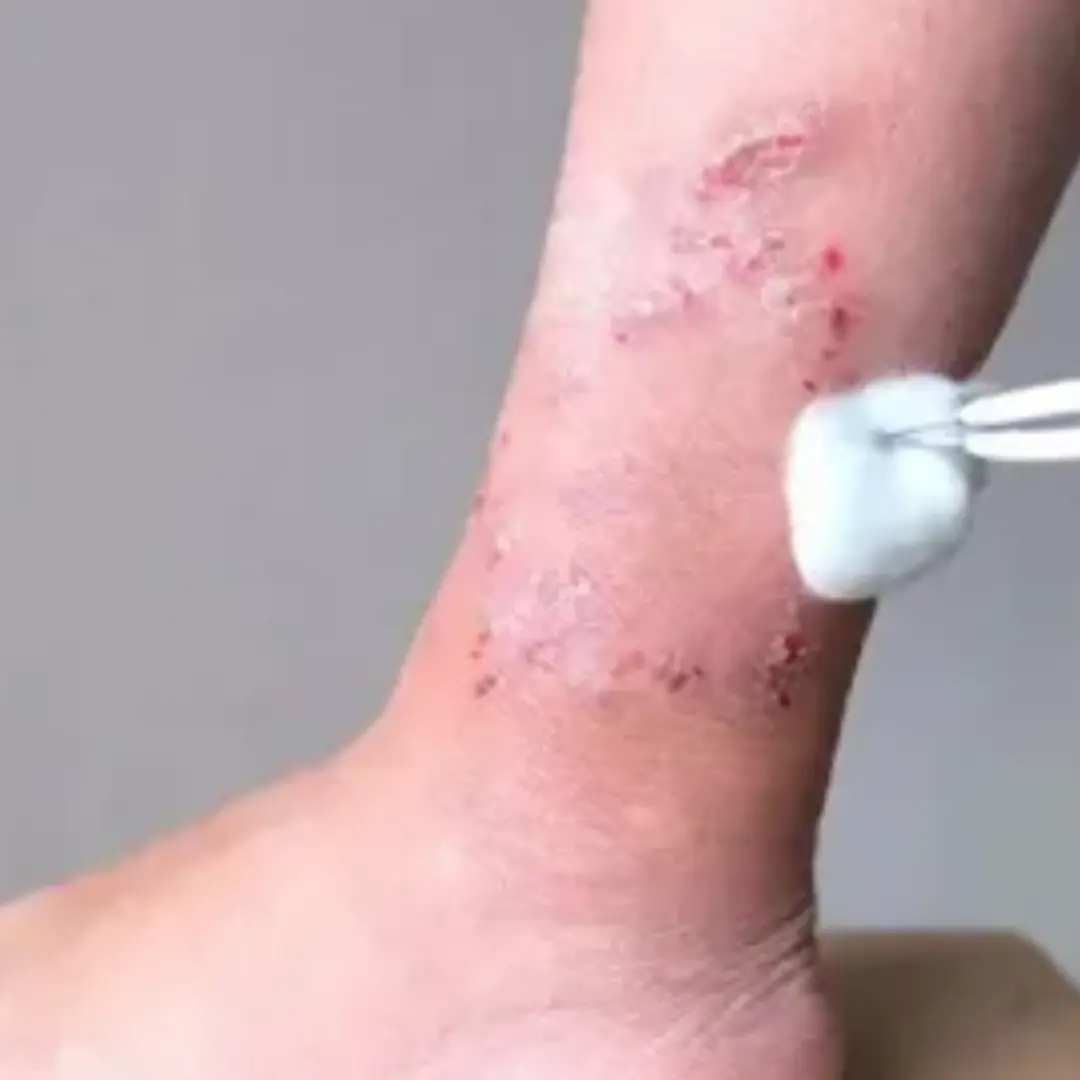
Infected wounds with pus, foul odor, or discharge
- 2
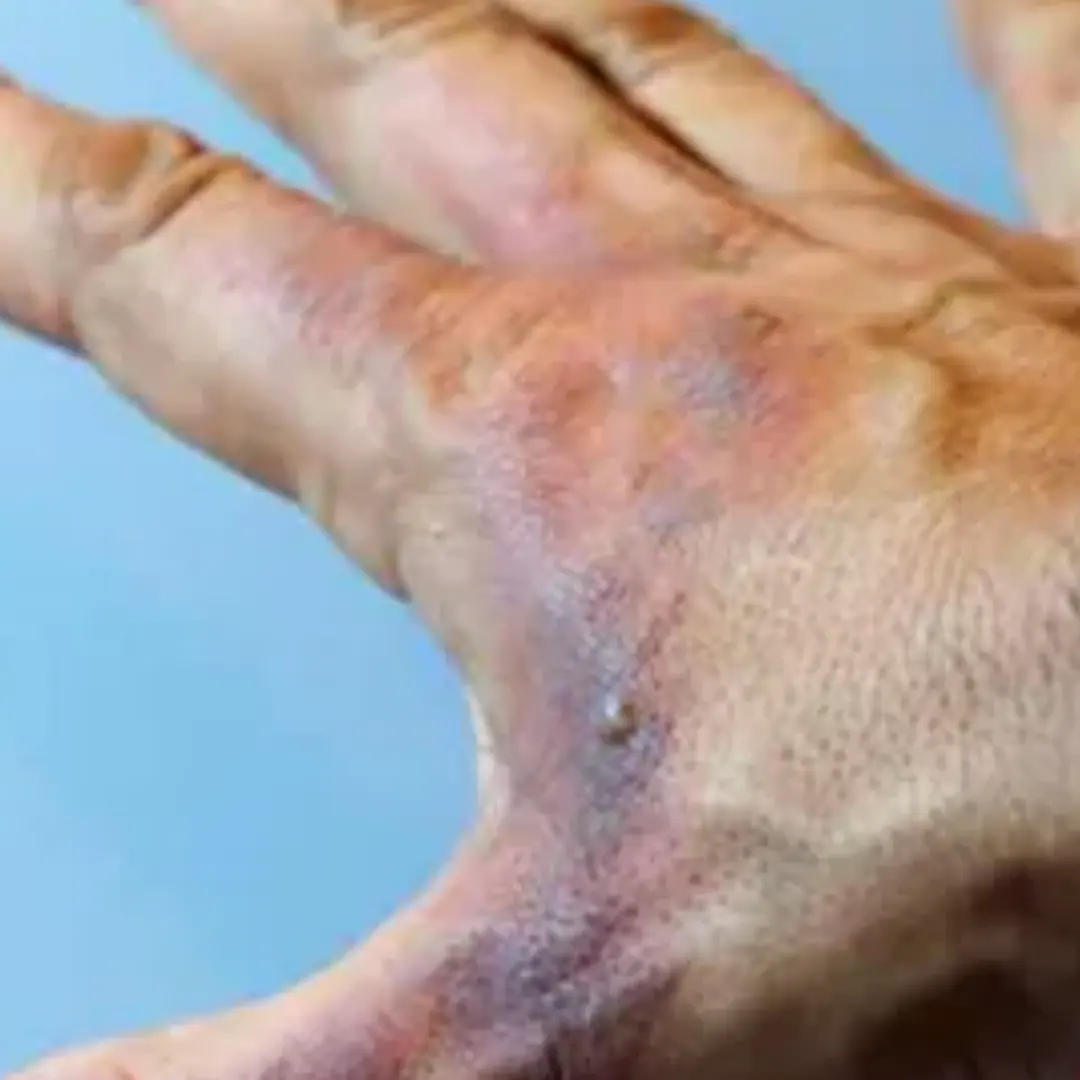
Presence of necrotic (dead) tissue
- 3
Delayed healing due to poor blood supply
- 4
Severe burns or traumatic injuries with tissue death
- 5
Surgical site infections
Wound Debridement Causes
Traumatic injuries
Pressure sores
Poor circulation
Infection
Burns and frostbite

Types of Wound Debridement
Understanding the type helps our specialists choose the safest, most effective treatment for your condition.
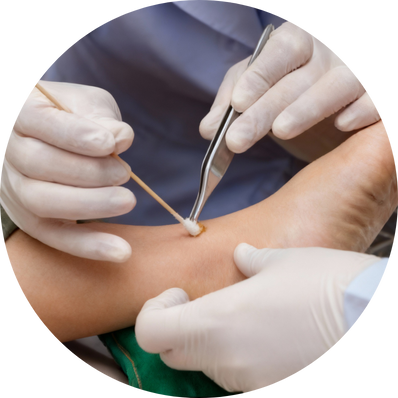
Surgical/Sharp Debridement
Surgical removal of dead, infected or non-viable tissue using a scalpel or scissors — the most effective and fastest method for serious wounds and diabetic ulcers.
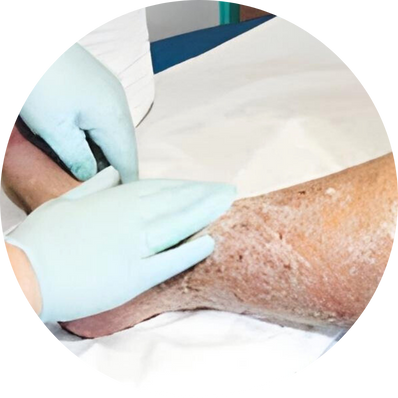
Mechanical Debridement
Dressings, irrigation or wet-to-dry techniques that physically lift away dead tissue gently — useful for moderate wounds with mixed slough.
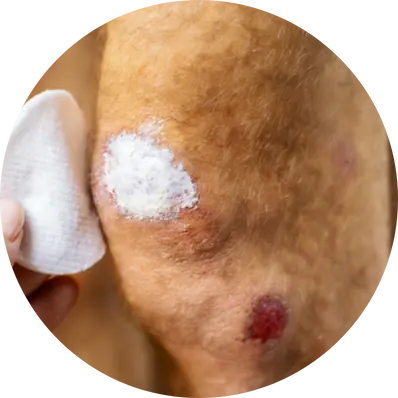
Enzymatic Debridement
Topical enzyme dressings that selectively dissolve dead tissue without harming healthy skin — gentle option for elderly or fragile patients.
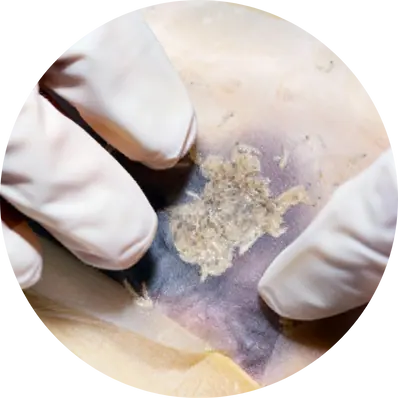
Biological Debridement (Maggot Therapy)
Controlled use of sterile maggot therapy to selectively eat away necrotic tissue and reduce bacterial load — useful in stubborn diabetic and pressure ulcers.
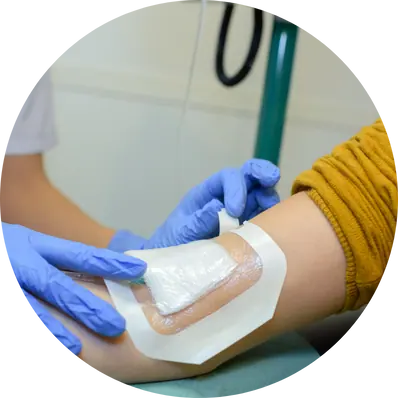
Autolytic Debridement
Moisture-retentive dressings that use the body's own enzymes to gradually liquefy dead tissue — slow but painless option for small superficial wounds.
Why Choose Healic for
Wound Debridement
(Orthopaedics)
- 1
Proper Counselling
- 2
Fixed Price Explanation
- 3
Safe Treatment
- 4
Structured Monitoring
- 5
Time-Bound Discharge



500+
Procedures Every Month
Average 4.8
Google Rating
85+
NPS Score
Key benefits at Healic
- Treated by experienced specialists
- Fixed-price package — no hidden charges
- Modern equipment & sterile facilities
- Insurance & EMI assistance
- Pre and post-treatment care included
- WhatsApp follow-up support
What Our Patients say
"Very transparent pricing and caring staff. Highly recommend Healic for wound debridement."
PMPriya M.
Verified patient
"Got my wound debridement done at Healic. The team was super supportive and recovery was much faster than I expected."
RSRahul S.
Verified patient
"Doctors explained everything patiently. The procedure went smoothly and I was discharged on time."
AKAnil K.
Verified patient
"Excellent experience from consultation to discharge. The fixed-price package gave me complete peace of mind."
SRSunita R.
Verified patient
Doctors for Wound Debridement
(Orthopaedics)
- MB
Related treatments
Find Answers to
Your Questions
We are happy to answer every question you have.

1.What symptoms mean I may need Wound Debridement?
Common warning signs include infected wounds with pus, foul odor, or discharge, presence of necrotic (dead) tissue, delayed healing due to poor blood supply, severe burns or traumatic injuries with tissue death. A specialist evaluation confirms whether wound debridement is the right treatment.
2.What causes the problem treated by Wound Debridement?
Frequent causes include traumatic injuries, pressure sores, poor circulation, infection. Your doctor confirms the exact cause with examination and tests.
3.Which treatment options are available for Wound Debridement?
Depending on severity, options may include surgical/sharp debridement, mechanical debridement, enzymatic debridement, biological debridement (maggot therapy), autolytic debridement. Healic recommends the safest option after consultation.
4.What is the recovery time after wound debridement?
Recovery after wound debridement depends on the diagnosis and procedure selected. Most patients receive a written discharge plan, medicines, diet or activity advice, follow-up dates and WhatsApp support from the Healic care team.
5.Is Wound Debridement covered by insurance?
Many medically advised procedures are covered by eligible health insurance policies. Healic supports cashless documentation, pre-authorisation and EMI options where applicable.
6.How do I book a consultation?
Call Healic, message on WhatsApp, or fill the booking form on this page and the care team will contact you shortly.