
Cornea Transplant / Eye Cornea Replacement Surgery
Corneal transplant care for full-thickness corneal opacity, scarring and keratoconus.
5,000+
Successful Procedures
Average 4.8
Patient Rating
85+ NPS
Happy Patients
Insurance
All Accepted
Get expert care for Cornea Transplant / Eye Cornea Replacement Surgery
Connect with your health counsellor today!
Surgery If You Truly Need It. No Fazool Tests
Surgeons Who Listen. Nurses Who Care. Always By Your Side
Fixed Price. Confirmed on Admission. In Writing
Admission, Discharge, Follow-up - All Planned




About Cornea Transplant / Eye Cornea Replacement Surgery
(Ophthalmology)
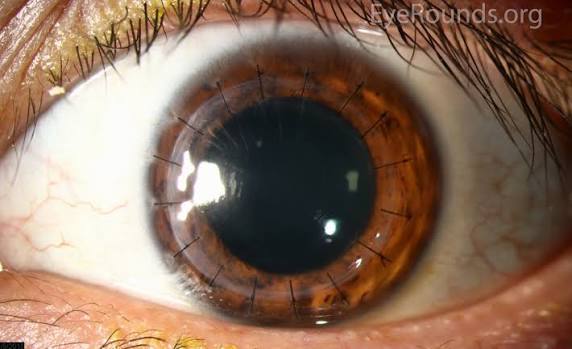
Full-thickness penetrating keratoplasty replaces a damaged or opaque cornea with a healthy donor cornea to improve vision or treat severe corneal disease. Healic evaluates corneal clarity, infection status, eye pressure and retina health before transplant planning and long-term graft follow-up.
Patients commonly visit for severe corneal opacity or white scar, poor vision not corrected by glasses, painful or infected corneal ulcer scar. Our ophthalmology team checks causes such as keratoconus (progressive thinning of the cornea), corneal scarring from infections, corneal dystrophies (like fuchs' dystrophy) and explains suitable options including penetrating keratoplasty (pkp), lamellar keratoplasty (dalk / dsaek / dmek) with transparent pricing and follow-up support.
Know the Symptoms
- 1
Severe corneal opacity or white scar
- 2
Poor vision not corrected by glasses
- 3
Painful or infected corneal ulcer scar
- 4
Advanced keratoconus
- 5
Corneal swelling or decompensation
- 6
Previous graft failure needing review


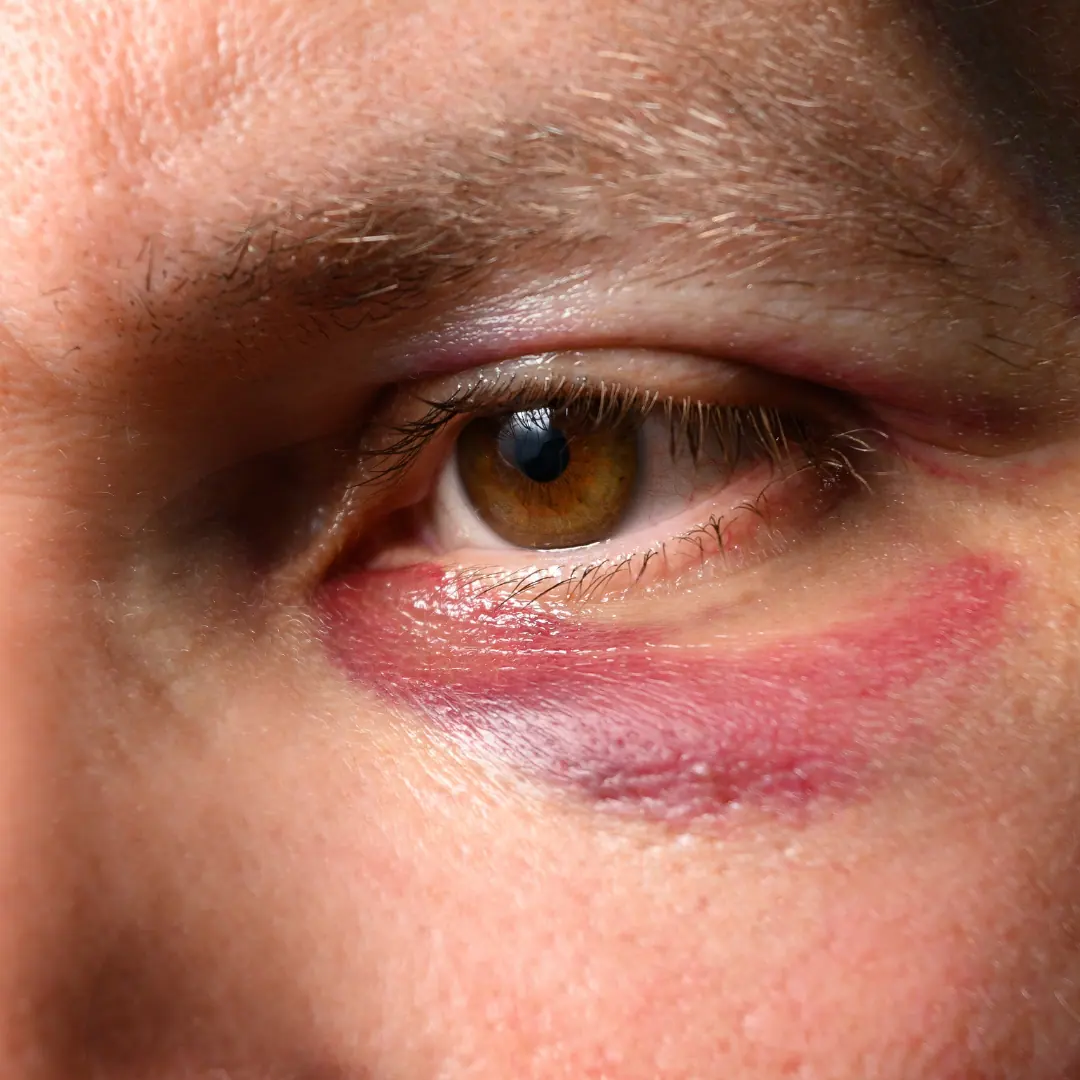



Cornea Transplant / Eye Cornea Replacement Surgery Causes
Keratoconus (progressive thinning of the cornea)
Corneal scarring from infections
Corneal dystrophies (like Fuchs' dystrophy)
Severe corneal edema (swelling)
Corneal thinning or perforation
Previous failed corneal transplant






Surgical Methods at Healic
Understanding the type helps our specialists choose the safest, most effective treatment for your condition.
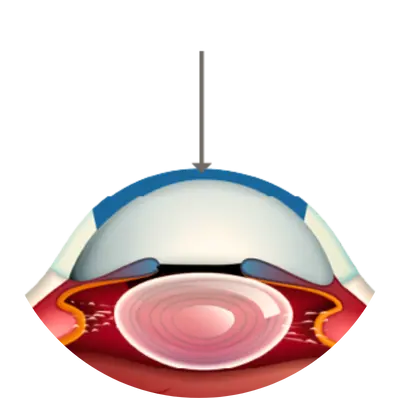
Penetrating Keratoplasty (PKP)
Full-thickness corneal transplant where the entire diseased cornea is replaced with a donor cornea — used for advanced scarring, perforation or failed previous grafts.
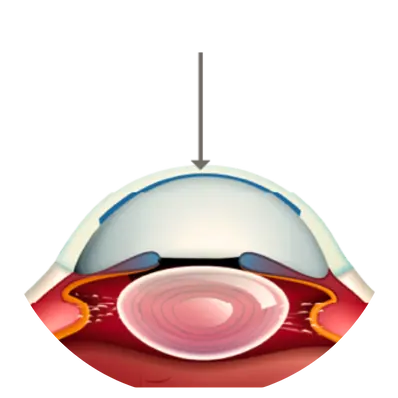
Lamellar Keratoplasty (DALK / DSAEK / DMEK)
Layer-specific transplants (DALK, DSAEK, DMEK) where only the diseased layer is replaced — faster visual recovery, less rejection and stronger long-term outcomes.
Surgical Methods at Healic
Different patients need different approaches. Our surgeons choose the right method for your condition, age and recovery goals.
Penetrating Keratoplasty (PKP) — Full-Thickness Transplant
Entire diseased cornea is replaced with a healthy donor cornea — gold standard for advanced scarring, corneal perforation, failed previous grafts and end-stage keratoconus.
Deep Anterior Lamellar Keratoplasty (DALK)
Only the front layers of the cornea are replaced while preserving the patient's own healthy inner endothelium — virtually eliminates endothelial graft rejection; ideal for keratoconus and anterior scars.
Descemet's Stripping Automated Endothelial Keratoplasty (DSAEK)
Only the diseased inner endothelial layer is replaced through a small incision — faster visual recovery and stronger eye than full-thickness transplant; used for Fuchs' dystrophy and bullous keratopathy.
Descemet's Membrane Endothelial Keratoplasty (DMEK)
Ultra-thin replacement of just the Descemet's membrane and endothelium — gives the sharpest, near-natural vision with the lowest rejection rate among corneal transplants.
Femtosecond Laser-Assisted Keratoplasty
Bladeless femtosecond laser creates precise, custom-shaped corneal cuts for the donor and recipient — better wound apposition, faster healing and reduced post-op astigmatism.
Therapeutic / Tectonic Keratoplasty
Emergency corneal transplant performed to control non-healing infection or seal a corneal perforation — restores structural integrity of the eye and saves vision in acute settings.
Keratoprosthesis (Artificial Cornea)
Synthetic cornea implanted in eyes with multiple failed grafts or severe ocular surface disease where a donor cornea will not survive — last-resort option to restore useful vision.
Why Choose Healic for
Cornea Transplant / Eye Cornea Replacement Surgery
(Ophthalmology)
- 1
Proper Counselling
- 2
Fixed Price Explanation
- 3
Safe Treatment
- 4
Structured Monitoring
- 5
Time-Bound Discharge




500+
Procedures Every Month
Average 4.8
Google Rating
85+
NPS Score
Key benefits at Healic
- Treated by experienced specialists
- Fixed-price package — no hidden charges
- Modern equipment & sterile facilities
- Insurance & EMI assistance
- Pre and post-treatment care included
- WhatsApp follow-up support
What Our Patients say
"Very transparent pricing and caring staff. Highly recommend Healic for cornea transplant / eye cornea replacement surgery."
PMPriya M.
Verified patient
"Got my cornea transplant / eye cornea replacement surgery done at Healic. The team was super supportive and recovery was much faster than I expected."
RSRahul S.
Verified patient
"Doctors explained everything patiently. The procedure went smoothly and I was discharged on time."
AKAnil K.
Verified patient
"Excellent experience from consultation to discharge. The fixed-price package gave me complete peace of mind."
SRSunita R.
Verified patient
Related treatments
Find Answers to
Your Questions
We are happy to answer every question you have.

1.What symptoms mean I may need Cornea Transplant / Eye Cornea Replacement Surgery?
Common warning signs include severe corneal opacity or white scar, poor vision not corrected by glasses, painful or infected corneal ulcer scar, advanced keratoconus. A specialist evaluation confirms whether cornea transplant / eye cornea replacement surgery is the right treatment.
2.What causes the problem treated by Cornea Transplant / Eye Cornea Replacement Surgery?
Frequent causes include keratoconus (progressive thinning of the cornea), corneal scarring from infections, corneal dystrophies (like fuchs' dystrophy), severe corneal edema (swelling). Your doctor confirms the exact cause with examination and tests.
3.Which treatment options are available for Cornea Transplant / Eye Cornea Replacement Surgery?
Depending on severity, options may include penetrating keratoplasty (pkp), lamellar keratoplasty (dalk / dsaek / dmek). Healic recommends the safest option after consultation.
4.What is the recovery time after cornea transplant / eye cornea replacement surgery?
Recovery after cornea transplant / eye cornea replacement surgery depends on the diagnosis and procedure selected. Most patients receive a written discharge plan, medicines, diet or activity advice, follow-up dates and WhatsApp support from the Healic care team.
5.Is Cornea Transplant / Eye Cornea Replacement Surgery covered by insurance?
Many medically advised procedures are covered by eligible health insurance policies. Healic supports cashless documentation, pre-authorisation and EMI options where applicable.
6.How do I book a consultation?
Call Healic, message on WhatsApp, or fill the booking form on this page and the care team will contact you shortly.