
Gynecomastia Conditions, Grades and Related Disorders
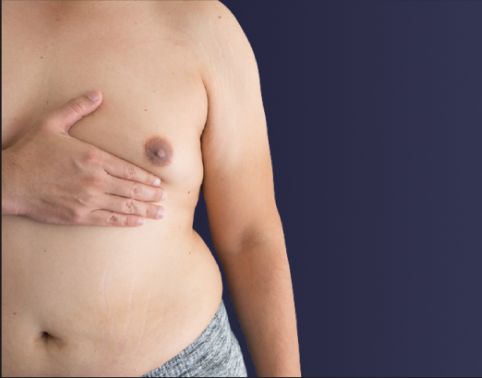
Not every enlarged male chest is the same condition. Gynecomastia is graded from I to IV based on how much glandular tissue is present and how much skin has stretched, and it overlaps with related conditions such as pseudogynecomastia, puffy nipples and unilateral glandular enlargement. Grading matters because it decides the technique — a Grade I chest needs only gland excision with liposuction, while Grade IV may need skin tightening as well. Healic surgeons grade your chest at the first consultation and match the technique to it.
5,000+
Successful Procedures
Average 4.8
Patient Rating
85+ NPS
Happy Patients
Insurance
All Accepted
Get expert care for Gynecomastia Conditions, Grades and Related Disorders
Connect with your health counsellor today!
Surgery If You Truly Need It. No Fazool Tests
Surgeons Who Listen. Nurses Who Care. Always By Your Side
Fixed Price. Confirmed on Admission. In Writing
Admission, Discharge, Follow-up - All Planned




Understanding Gynecomastia Grades
(General surgery)
Not every enlarged male chest is the same condition. Gynecomastia is graded from I to IV based on how much glandular tissue is present and how much skin has stretched, and it overlaps with related conditions such as pseudogynecomastia, puffy nipples and unilateral glandular enlargement. Grading matters because it decides the technique — a Grade I chest needs only gland excision with liposuction, while Grade IV may need skin tightening as well. Healic surgeons grade your chest at the first consultation and match the technique to it. Gynecomastia is the enlargement of male breast tissue caused by a hormonal imbalance between oestrogen and testosterone, certain medicines, obesity or underlying medical conditions. It can cause a soft swelling under the nipple, tenderness, sagging chest shape and significant emotional or social discomfort. Healic offers safe day-care gynecomastia surgery — combining liposuction of excess fat with gland excision through a tiny areolar incision — to give a flat, masculine chest contour with minimal scarring, short downtime and long-lasting results.
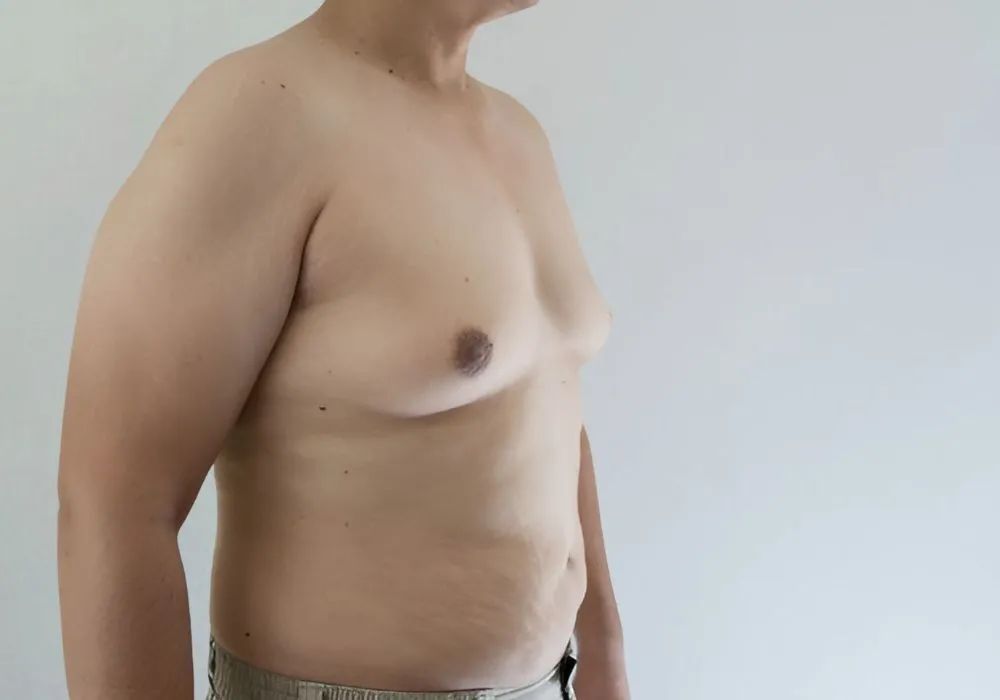
Patients commonly visit for enlargement of one or both breasts in males, breast tenderness or pain, firm or rubbery tissue under the nipple. Our general surgery team checks causes such as hormonal imbalance (high oestrogen, low testosterone), puberty-related hormonal changes, obesity increasing fat and oestrogen and explains suitable options including normal gynecomastia, pure glandular gynecomastia, adult gynecomastia, adolescent gynecomastia, asymmetric or unilateral gynecomastia, pseudo gynecomastia, severe gynecomastia with transparent pricing and follow-up support.
Signs Seen Across Each Grade
- 1
Enlargement of one or both breasts in males
- 2
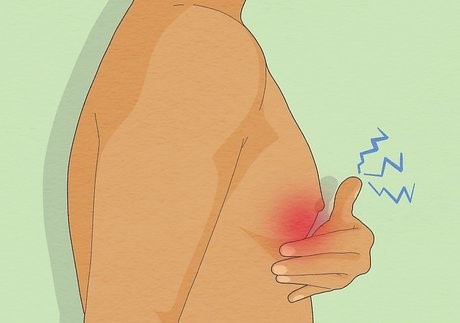
Breast tenderness or pain
- 3
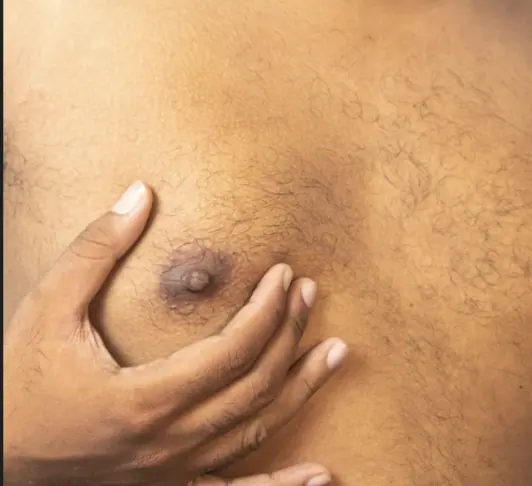
Firm or rubbery tissue under the nipple
- 4
Asymmetrical chest appearance
- 5
Difficulty wearing fitted clothing or participating in sports
- 6
Persistence of enlarged breast tissue despite weight loss or medical treatment
- 7
Emotional or psychological distress
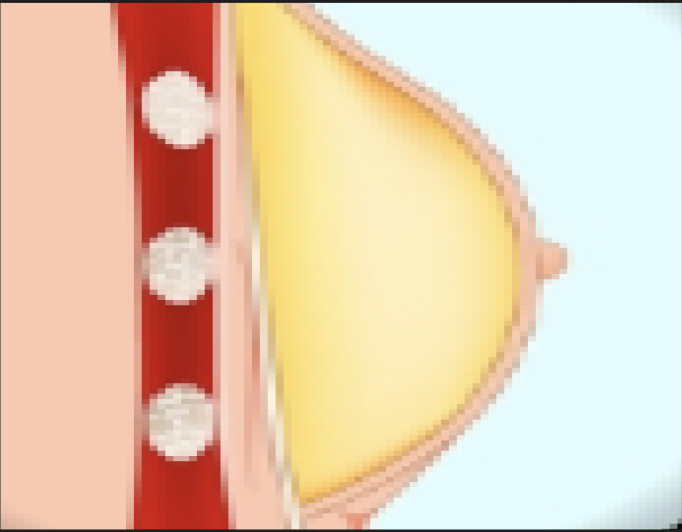
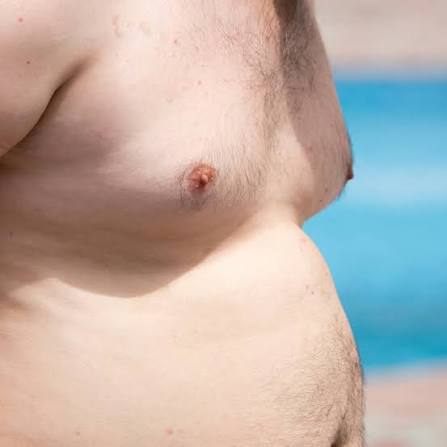
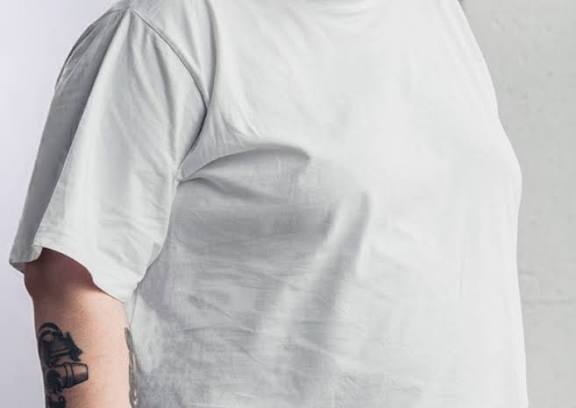
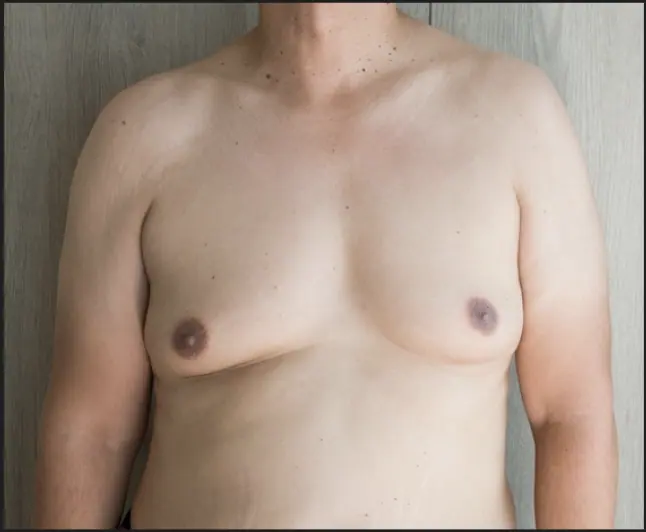

Types of Gynecomastia
Understanding the type helps our specialists choose the safest, most effective treatment for your condition.
Normal Gynecomastia
Normal gynecomastia appears as soft, mobile, and usually painless breast tissue enlargement in both breasts. It is common in boys aged 12–15 and men over 65 due to hormonal changes. While benign and often symptom-free, it may cause mild distress. Most cases resolve naturally within one to two years without treatment.
Pure Glandular Gynecomastia
Pure glandular gynecomastia is caused by overgrowth of glandular tissue without significant fat. It accounts for 10–15% of cases and is common in bodybuilders using steroids. It feels as a firm, rubbery mass behind the nipple and may affect one or both breasts. It can cause tenderness, discomfort, and psychological distress.
Adult Gynecomastia
Adult gynecomastia affects up to 70% of men as fat deposits appear in glandular tissue. It results from hormonal imbalances linked to aging, liver or kidney disease, and conditions like hypogonadism or hyperthyroidism. Lifestyle, medications, and tumours in the adrenal, pituitary, or testes can also affect hormone production.
Adolescent Gynecomastia
Adolescent gynecomastia is hereditary and occurs in 30–60% of boys aged 9–14. It is driven by hormonal fluctuations during puberty. In most cases, the breast enlargement resolves naturally as boys reach 18 and adulthood. It is usually temporary and does not require surgery unless it persists or causes significant distress.
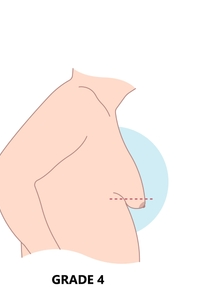
Asymmetric or Unilateral Gynecomastia
Asymmetric gynecomastia causes uneven enlargement, making one breast larger than the other. This creates an imbalanced chest appearance where one side looks more prominent or swollen. It can affect confidence and body image. Evaluation is important to rule out underlying causes and plan appropriate treatment for a balanced contour.
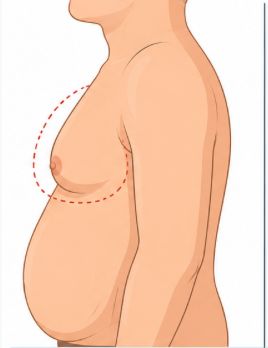
Pseudo Gynecomastia
Pseudo-gynecomastia, or false gynecomastia, is caused by excess fat tissue in the chest rather than glandular growth. It is common in overweight men and linked to obesity, poor diet, and sedentary lifestyle. The chest feels soft and doughy rather than firm, and the enlargement is spread across the chest instead of concentrated under the nipple.
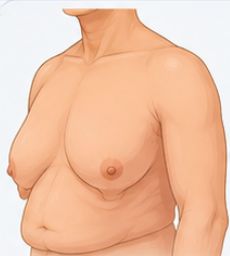
Severe Gynecomastia
Severe gynecomastia involves significant breast enlargement with sagging and excess skin. It often affects older men with reduced skin elasticity or those who have lost major weight. The condition goes beyond normal chest contour, causing physical and emotional challenges. Surgery is usually recommended to restore a flatter, more masculine chest shape.
Why Choose Healic for
Gynecomastia Conditions, Grades and Related Disorders
(General surgery)
- 1
Proper Counselling
- 2
Fixed Price Explanation
- 3
Safe Treatment
- 4
Structured Monitoring
- 5
Time-Bound Discharge





500+
Procedures Every Month
Average 4.8
Google Rating
85+
NPS Score
Key benefits at Healic
- Day-care surgery with same-day discharge
- Liposuction + gland excision for a flat chest
- Tiny scar hidden inside the areolar margin
- Permanent removal of gland tissue
- Done under local or short general anaesthesia
- Quick return to office work in 3–5 days
What Our Patients say
"Very transparent pricing and caring staff. Highly recommend Healic for gynecomastia conditions, grades and related disorders."
PMPriya M.
Verified patient
"Got my gynecomastia conditions, grades and related disorders done at Healic. The team was super supportive and recovery was much faster than I expected."
RSRahul S.
Verified patient
"Doctors explained everything patiently. The procedure went smoothly and I was discharged on time."
AKAnil K.
Verified patient
"Excellent experience from consultation to discharge. The fixed-price package gave me complete peace of mind."
SRSunita R.
Verified patient
Doctors for Gynecomastia Conditions, Grades and Related Disorders
(General surgery)
- RS
- JD
- HB
- AK
- AP
- AS
Find Answers to
Your Questions
We are happy to answer every question you have.

1.What are the four grades of gynecomastia?
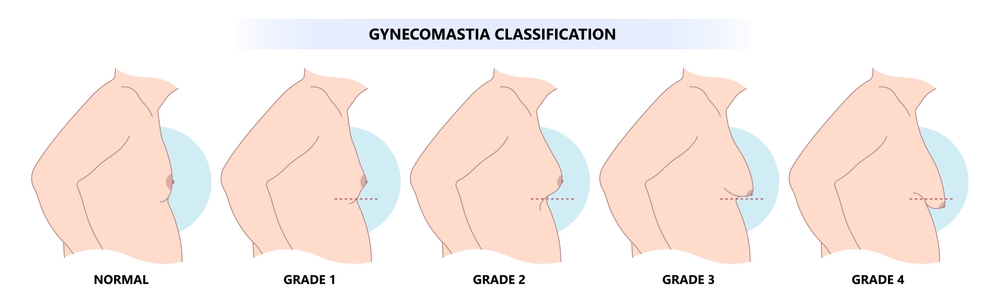
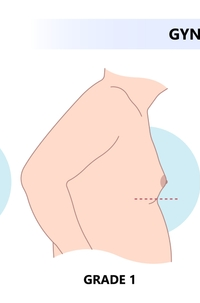
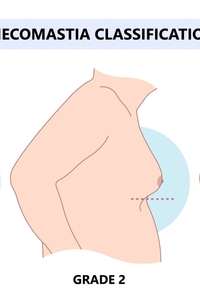
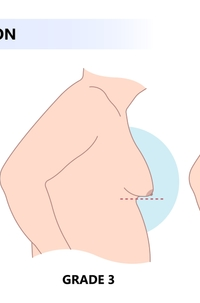
Grade I — small enlargement around the nipple with no excess skin. Grade II — moderate enlargement spread across the chest, still no significant skin excess. Grade III — marked enlargement with mild skin excess and a visible breast fold. Grade IV — marked enlargement with clear skin excess and a feminised chest contour needing skin reduction.
2.What is pseudogynecomastia?
Pseudogynecomastia is fat-only enlargement without glandular tissue. It is soft, evenly spread and improves with weight loss. When it does not, VASER liposuction alone corrects the contour without gland excision.
3.What causes puffy nipples specifically?
Puffy nipples are a localised gynecomastia variant where a small glandular disc sits directly under the areola and pushes it forward. Correction is a small gland excision through a peri-areolar incision — one of the quickest procedures we perform, with same-day discharge.
4.Can gynecomastia affect only one side?
Yes — unilateral gynecomastia is common and is not abnormal by itself. Because a one-sided lump also needs cancer to be ruled out, we always confirm with an ultrasound before planning surgery, then operate to match both sides symmetrically.
5.Which medical conditions are linked to gynecomastia?
Hypogonadism, hyperthyroidism, chronic liver disease, chronic kidney disease, obesity-related hormone conversion, and rarely testicular or adrenal tumours. Where an underlying condition is found, it is treated first — surgery follows once hormone levels are stable.
6.Is gynecomastia surgery permanent?
Yes. Gynecomastia surgery removes the glandular breast tissue itself, so it does not grow back. Results stay permanent as long as weight is maintained and there is no new hormonal trigger such as steroids or certain medicines.
7.Is gynecomastia surgery covered by insurance?
When gynecomastia is causing pain, tenderness or documented psychological distress, most eligible policies cover it as a medically advised procedure. Healic is empanelled with all major TPAs and provides cashless pre-authorisation, paperwork support and 0% EMI where insurance does not apply.
8.Will the gynecomastia come back after surgery?
Once the gland tissue is removed, it does not grow back. Maintaining a stable weight and avoiding steroid or hormonal supplements helps preserve the chest contour for life.
9.Will there be a visible scar?
The incision is tiny (3–4 mm) and hidden along the lower border of the areola, so the scar is barely visible once healed.