
Tympanoplasty
Tympanoplasty for eardrum hole, ear discharge and conductive hearing loss.
5,000+
Successful Procedures
Average 4.8
Patient Rating
85+ NPS
Happy Patients
Insurance
All Accepted
Get expert care for Tympanoplasty
Connect with your health counsellor today!
Surgery If You Truly Need It. No Fazool Tests
Surgeons Who Listen. Nurses Who Care. Always By Your Side
Fixed Price. Confirmed on Admission. In Writing
Admission, Discharge, Follow-up - All Planned




About Tympanoplasty
(ENT)
Tympanoplasty repairs a perforated eardrum and may reconstruct tiny middle-ear bones when needed. It is advised for chronic ear discharge, hearing loss, recurrent infection or a non-healing eardrum hole, with microscopic or endoscopic ENT techniques used to improve hearing and prevent repeated infections.
Patients commonly visit for persistent hole in the eardrum not healing on its own, repeated ear infections, fluid discharge. Our ent team checks causes such as chronic middle ear infections, untreated ear infections leading to perforation, traumatic injury and explains suitable options including type i — myringoplasty, type ii — eardrum repair with partial ossicle involvement, type iii — replacement of ossicles, type iv — advanced middle-ear reconstruction, type v — fenestration procedure with transparent pricing and follow-up support.
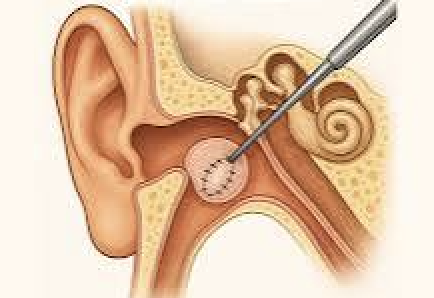
Know the Symptoms
- 1
Persistent hole in the eardrum not healing on its own
- 2
Repeated ear infections
- 3
Fluid discharge
- 4
Ear pain or discomfort
- 5
Difficulty swimming or showering due to water entering the middle ear
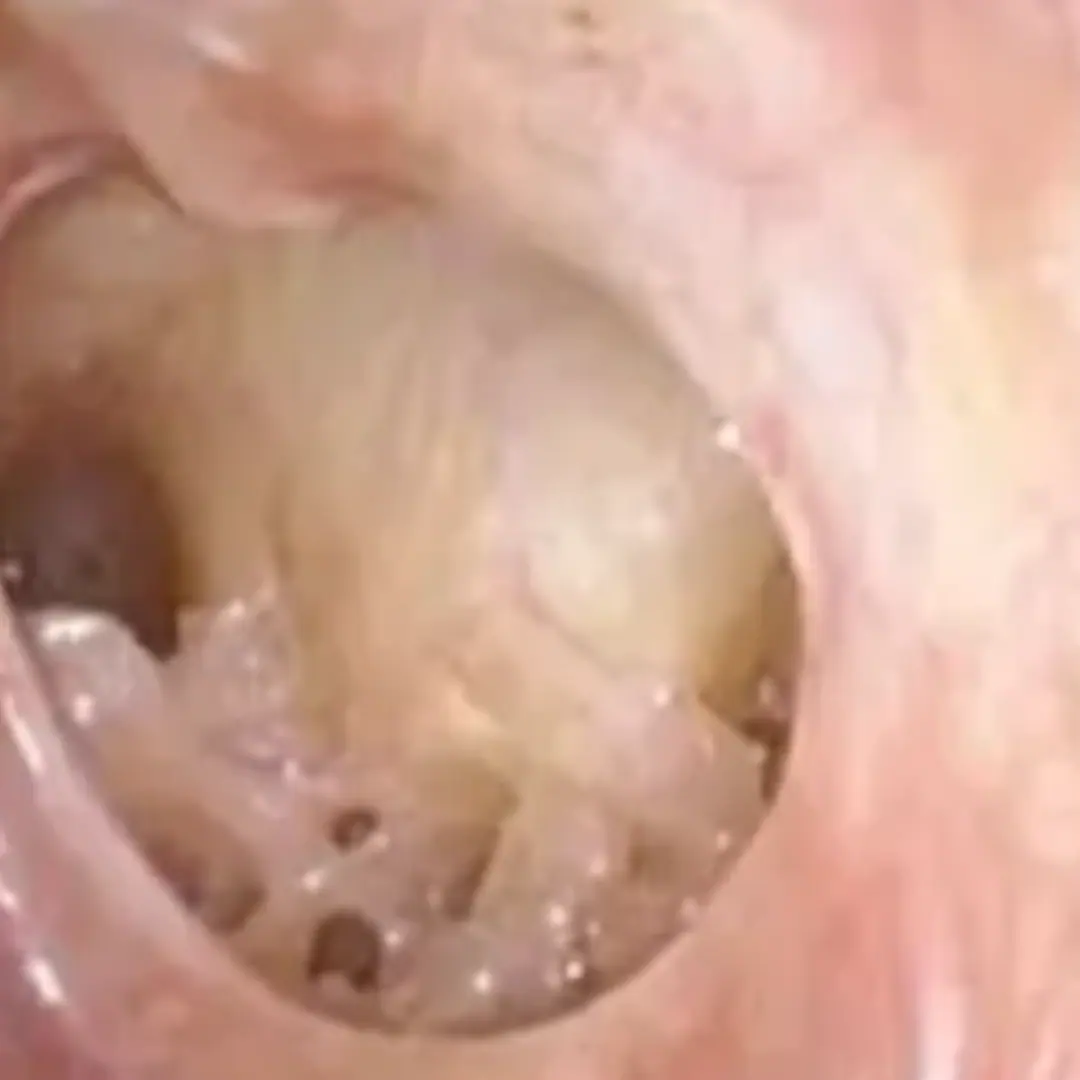
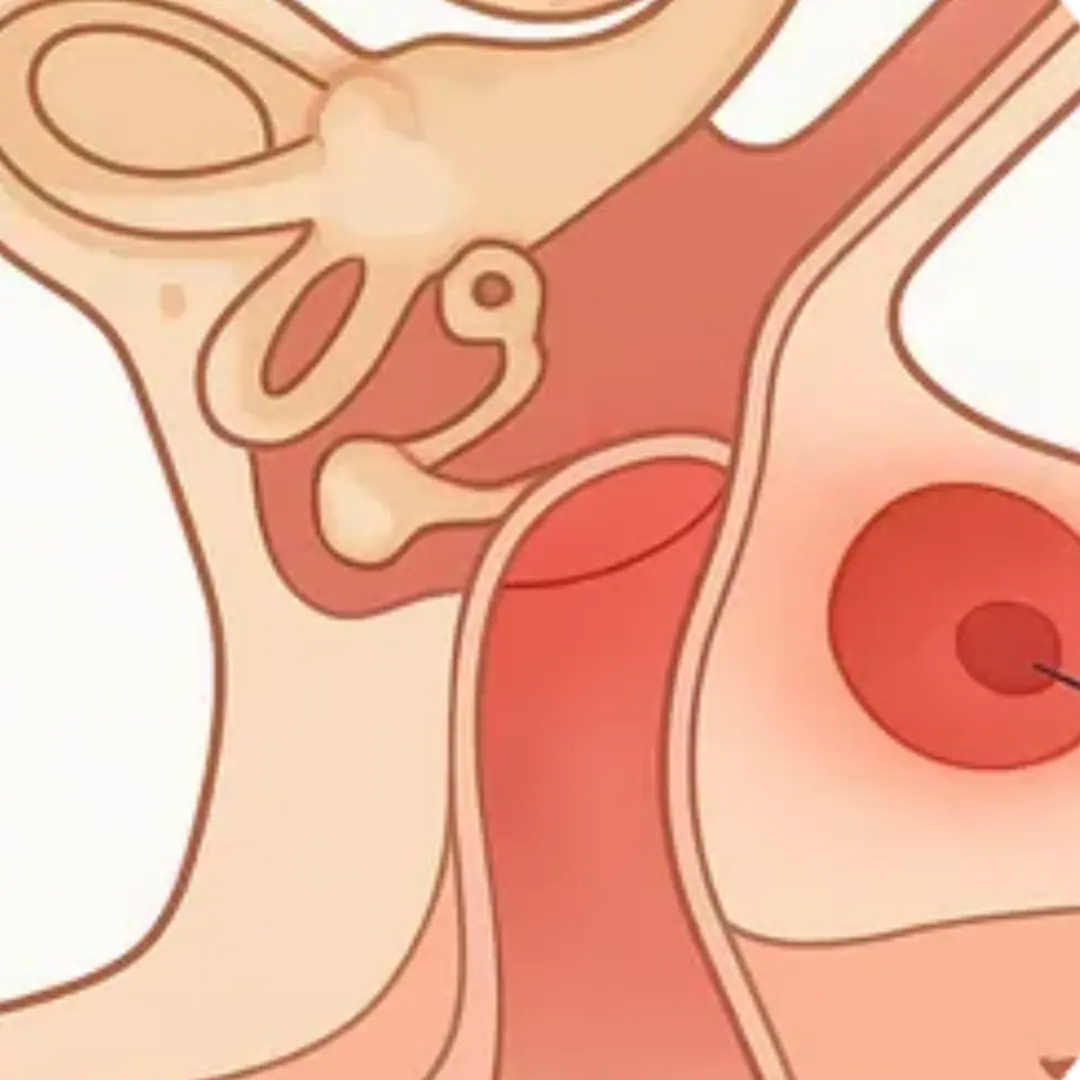
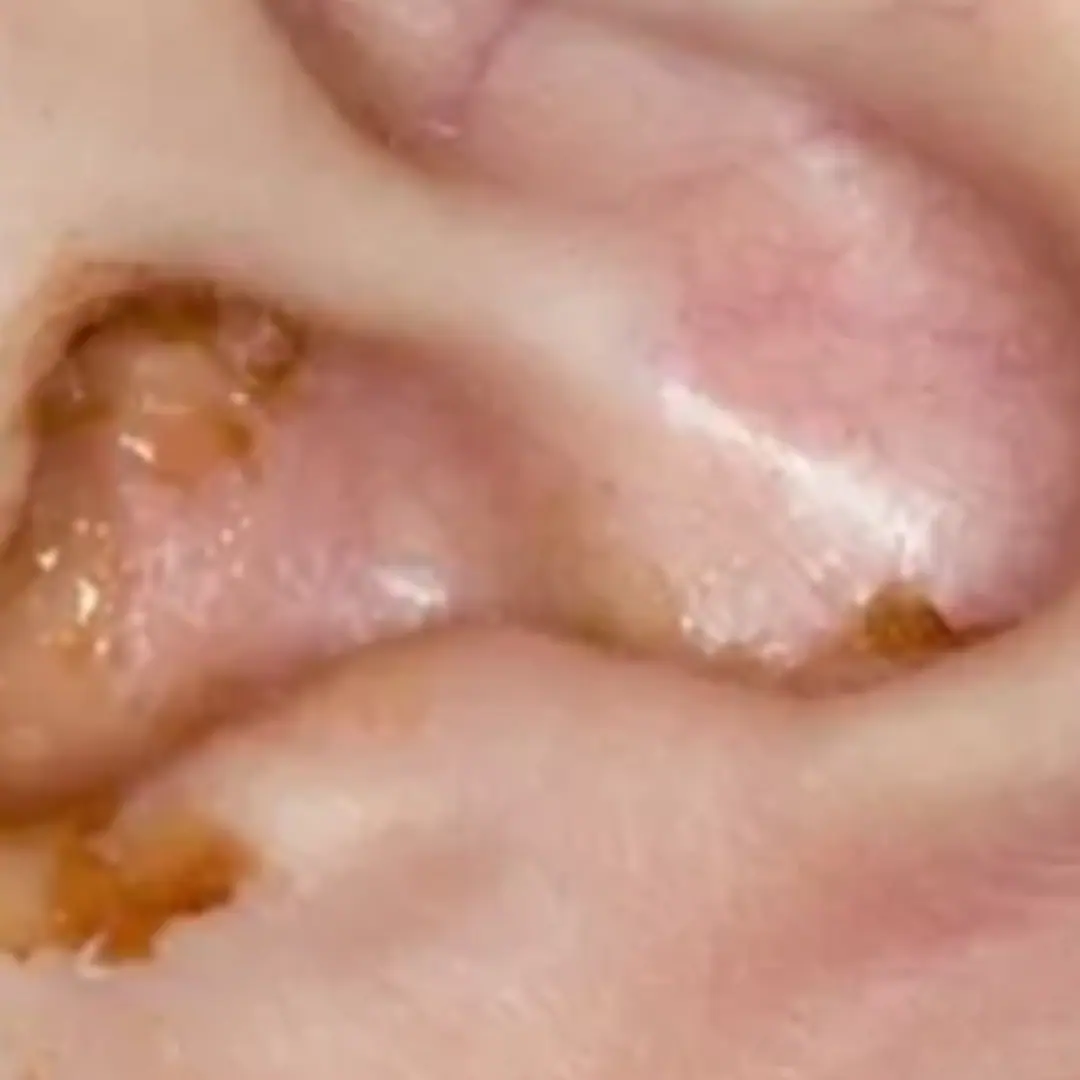


Tympanoplasty Causes
Chronic middle ear infections
Untreated ear infections leading to perforation
Traumatic injury
Previous ear surgeries
Acoustic trauma



Types of Tympanoplasty
Understanding the type helps our specialists choose the safest, most effective treatment for your condition.
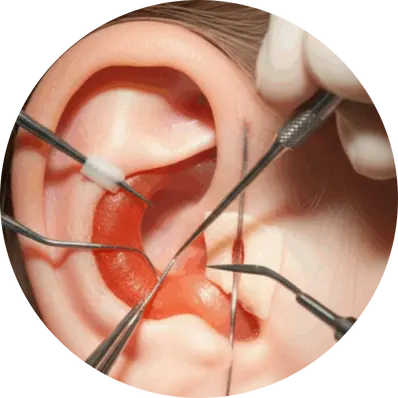
Type I — Myringoplasty
Simple repair of a perforated eardrum using a graft, without involving the middle-ear bones — gives reliable hearing improvement for small to medium holes.
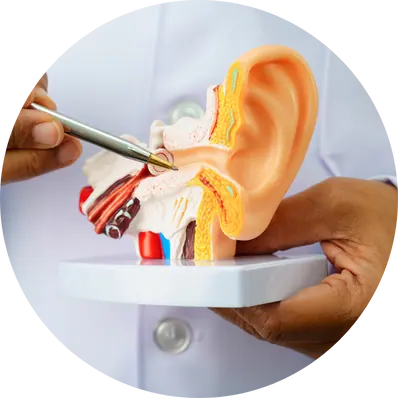
Type II — Eardrum repair with partial ossicle involvement
Eardrum repair combined with reconstruction of an eroded or partially damaged ossicle (usually malleus or incus) — needed when chronic infection has affected the small middle-ear bones.
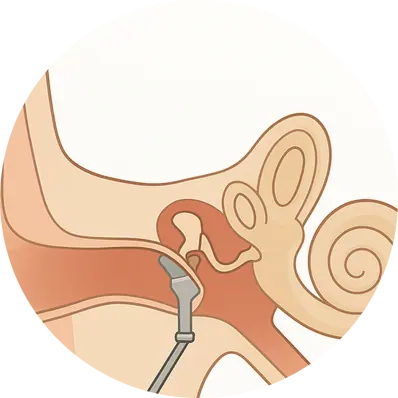
Type III — Replacement of ossicles
Reconstruction or replacement of damaged ossicles using cartilage or a prosthesis (PORP/TORP) to restore the sound-conduction chain and hearing.

Type IV — Advanced middle-ear reconstruction
Combined eardrum and middle-ear reconstruction for advanced ear disease such as long-standing CSOM or cholesteatoma-related damage, with the graft placed directly on a mobile stapes footplate.
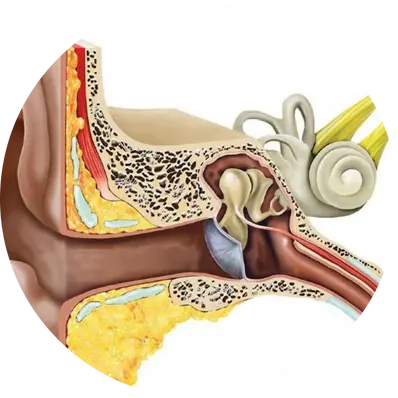
Type V — Fenestration procedure
Specialised reconstruction with a fenestration into the inner ear for very advanced cases with a fixed stapes footplate — performed only by experienced ear surgeons.
Surgical Methods at Healic
Different patients need different approaches. Our surgeons choose the right method for your condition, age and recovery goals.
Underlay Tympanoplasty (Microscopic)
The graft (temporalis fascia or tragal cartilage) is placed under the perforation through a post-auricular approach using an operating microscope — the most widely used technique with high success rates for medium and large perforations.
Overlay Tympanoplasty
The graft is placed over the de-epithelialised eardrum remnant — preferred for very large or anterior perforations where underlay placement is technically difficult.
Endoscopic Tympanoplasty (TEES)
Performed through the ear canal using a high-definition endoscope — no external cut, better visualisation of hidden middle-ear corners, less pain and quicker recovery.
Cartilage Tympanoplasty
Tragal or conchal cartilage is used as a sturdier graft — ideal for revision cases, large perforations, atelectatic ears and where there is a high risk of re-perforation.
Ossiculoplasty with PORP / TORP
Reconstruction of the eroded ossicular chain using a Partial or Total Ossicular Replacement Prosthesis — combined with eardrum repair to restore sound conduction and improve hearing.
Tympanoplasty with Cortical Mastoidectomy
Eardrum repair combined with clearance of disease from the mastoid air cells — indicated when chronic ear infection or cholesteatoma extends beyond the middle ear.
Why Choose Healic for
Tympanoplasty
(ENT)
- 1
Proper Counselling
- 2
Fixed Price Explanation
- 3
Safe Treatment
- 4
Structured Monitoring
- 5
Time-Bound Discharge





500+
Procedures Every Month
Average 4.8
Google Rating
85+
NPS Score
Key benefits at Healic
- Treated by experienced specialists
- Fixed-price package — no hidden charges
- Modern equipment & sterile facilities
- Insurance & EMI assistance
- Pre and post-treatment care included
- WhatsApp follow-up support
What Our Patients say
"Very transparent pricing and caring staff. Highly recommend Healic for tympanoplasty."
PMPriya M.
Verified patient
"Got my tympanoplasty done at Healic. The team was super supportive and recovery was much faster than I expected."
RSRahul S.
Verified patient
"Doctors explained everything patiently. The procedure went smoothly and I was discharged on time."
AKAnil K.
Verified patient
"Excellent experience from consultation to discharge. The fixed-price package gave me complete peace of mind."
SRSunita R.
Verified patient
Doctors for Tympanoplasty
(ENT)
- PP
- HS
Related treatments
Find Answers to
Your Questions
We are happy to answer every question you have.

1.What symptoms mean I may need Tympanoplasty?
Common warning signs include persistent hole in the eardrum not healing on its own, repeated ear infections, fluid discharge, ear pain or discomfort. A specialist evaluation confirms whether tympanoplasty is the right treatment.
2.What causes the problem treated by Tympanoplasty?
Frequent causes include chronic middle ear infections, untreated ear infections leading to perforation, traumatic injury, previous ear surgeries. Your doctor confirms the exact cause with examination and tests.
3.Which treatment options are available for Tympanoplasty?
Depending on severity, options may include type i — myringoplasty, type ii — eardrum repair with partial ossicle involvement, type iii — replacement of ossicles, type iv — advanced middle-ear reconstruction, type v — fenestration procedure. Healic recommends the safest option after consultation.
4.What is the recovery time after tympanoplasty?
Recovery after tympanoplasty depends on the diagnosis and procedure selected. Most patients receive a written discharge plan, medicines, diet or activity advice, follow-up dates and WhatsApp support from the Healic care team.
5.Is Tympanoplasty covered by insurance?
Many medically advised procedures are covered by eligible health insurance policies. Healic supports cashless documentation, pre-authorisation and EMI options where applicable.
6.How do I book a consultation?
Call Healic, message on WhatsApp, or fill the booking form on this page and the care team will contact you shortly.