
A clear path from first enquiry to aftercare — non-surgical, private, and guided at every stage.
Reach us on a private call and ask anything — no pressure to book
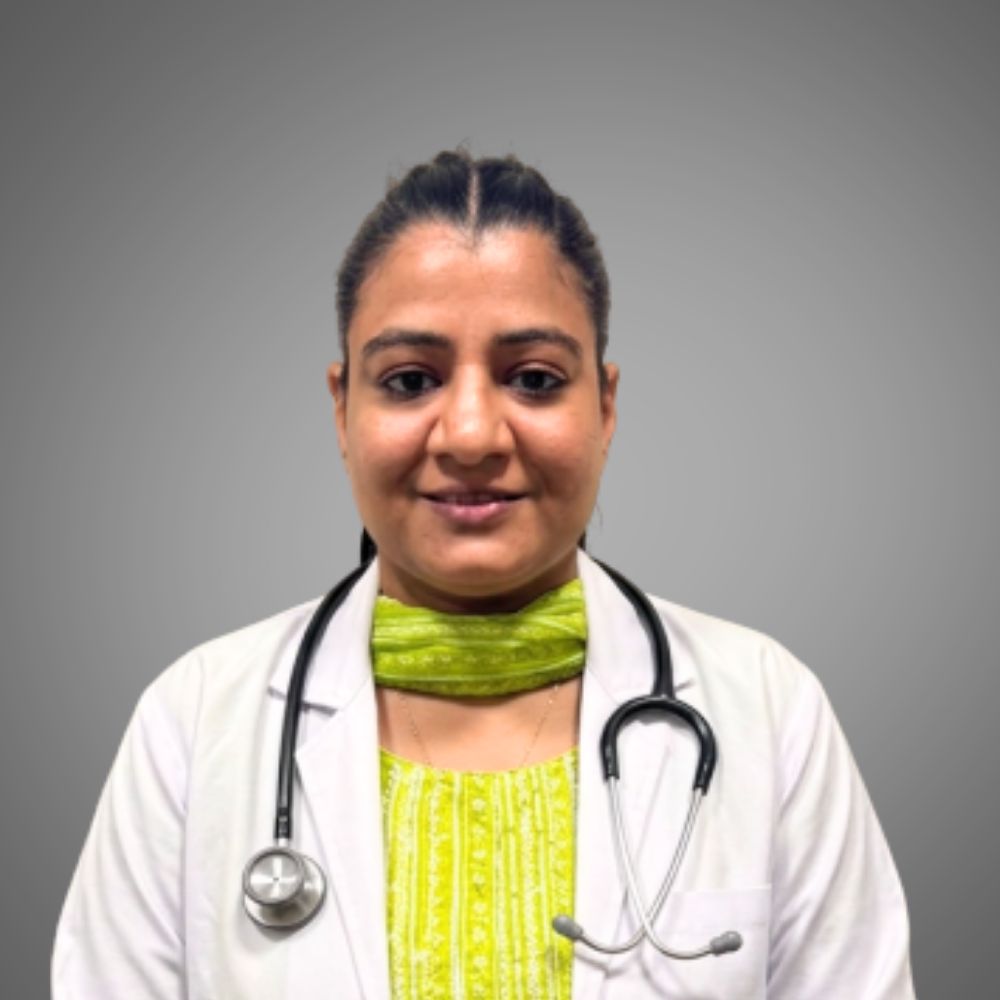
Dr. Kanika Bhadhkaria evaluates your concerns and confirms suitability
Recommended option, expected recovery and cost explained clearly
A 30–45 min outpatient procedure, with recovery guidance and follow-up
These are different procedures that work in different ways. Vaginal PRP therapy is a third, minimally invasive option — explained in the section below. Your gynaecologist decides what fits after an assessment.
At Healic Agra, the currently published laser vaginal tightening cost is ₹15,000–₹20,000, with a consultation fee of ₹400 with Dr. Kanika Bhadhkaria. The final figure depends on the treatment plan and individual requirements — the degree of vaginal laxity, the laser technology used, and whether more than one session is advised. EMI options are available, and the exact plan and cost are confirmed after your consultation.
Laser vaginal tightening is a non-surgical treatment that applies controlled laser energy to the vaginal tissue to encourage tissue remodelling and collagen production, which may improve firmness and elasticity in appropriately selected women. Depending on clinical suitability and available technology, treatment may use CO₂ or Er:YAG laser systems. Unlike surgical vaginoplasty, it does not involve surgical reconstruction of the vaginal muscles, so it may be considered by women looking for a non-surgical option.
Women in Agra often seek a consultation for a feeling of vaginal laxity, changes in firmness after childbirth, reduced tissue elasticity, menopause-related changes, vaginal dryness, mild stress urinary leakage, or concerns about intimate comfort. These symptoms can have different causes, so laser vaginal tightening is not automatically suitable for everyone. A gynaecological consultation helps determine whether laser treatment, vaginal PRP therapy, surgical vaginoplasty or another approach is appropriate.
Several factors may contribute to changes in vaginal firmness and elasticity. Vaginal delivery can stretch the vaginal tissues and pelvic floor. Natural ageing affects collagen and connective tissue, while menopause and other hormonal changes can influence tissue health, lubrication and elasticity. Changes in pelvic floor muscle tone may also reduce the feeling of support or firmness. Understanding the underlying cause matters before choosing a procedure.
Laser vaginal tightening is a non-surgical, laser-based tissue treatment for selected mild-to-moderate cases. Surgical vaginoplasty is a surgical procedure for women who need structural correction or more significant tightening. Vaginal PRP therapy is a minimally invasive treatment that uses platelet-rich plasma prepared from the patient's own blood, and may sometimes be combined with other rejuvenation approaches. There is no single “best” vaginal rejuvenation option for everyone — the right choice depends on your clinical condition and goals.
The laser vaginal tightening cost can vary with the type of treatment, the severity of vaginal laxity, the laser technology used, the number of sessions advised, any additional treatments such as PRP, and follow-up requirements. “Vaginal rejuvenation” is an umbrella term that can refer to laser treatment, PRP therapy or surgery, so there is no single price for it. At Healic Agra, the currently published laser vaginal tightening cost is ₹15,000–₹20,000, while consultation with Dr. Kanika Bhadhkaria is ₹400.
If you are searching for laser vaginal tightening near you, look beyond price alone. Consider the doctor's qualifications and experience, the laser technology available, whether a proper medical assessment is done before treatment, the range of treatment options, recovery guidance and follow-up care, patient privacy, hospital infrastructure and transparent pricing. At Healic Agra, women can discuss vaginal laxity and the available options with Dr. Kanika Bhadhkaria.
Treatment usually begins with a consultation and clinical assessment, followed by treatment planning where the recommended option, expected recovery, potential risks and estimated cost are discussed. If laser treatment is appropriate, controlled laser energy is applied according to an individualised plan, and the team then provides guidance on hygiene, activity, recovery and follow-up. The procedure is generally completed in 30–45 minutes with limited downtime; individual response and recovery vary, so realistic expectations are discussed with your doctor.